
Planting
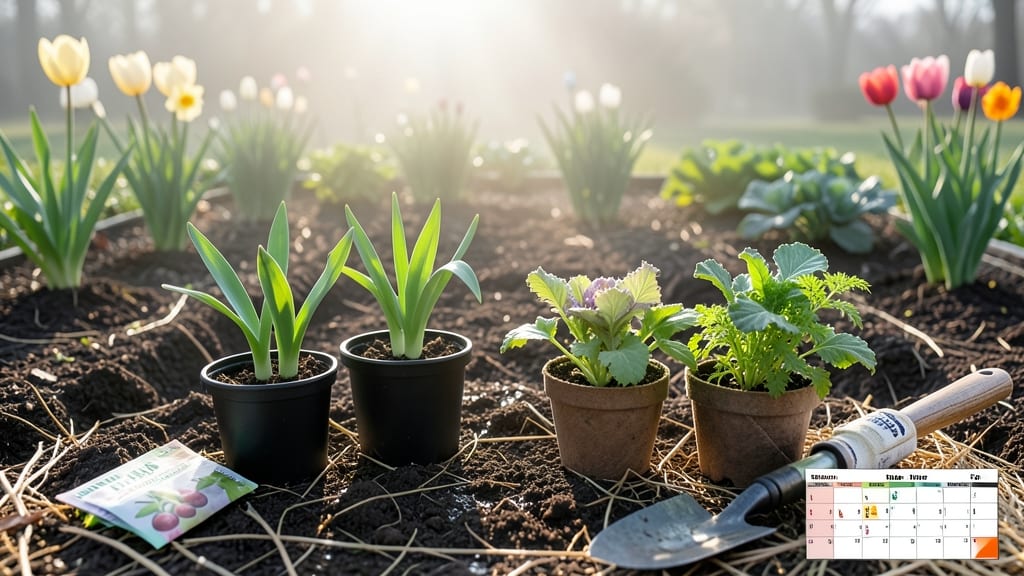
Planting a garden in Pennsylvania at the right time means the difference between a bumper crop and a sad, wilted mess—especially when your last frost can swing from mid-April in Pittsburgh to early May in Philadelphia.
Picture this: you’ve spent weeks prepping your soil, only to watch your tomatoes bolt into flower before ever ripening because you planted too early. Or your lettuce bolts into bitter leaves the second the heat hits.
These mistakes aren’t just frustrating—they’re costly, and they happen to gardeners every year who guess instead of following the science.
Here’s the good news: Pennsylvania’s USDA Zones 5b-7a have clear windows for planting everything from cool-loving peas to heat-hungry peppers. I’ll break down the exact dates by crop, zone, and microclimate—so you can skip the trial-and-error and get straight to harvesting.
You’ll learn how to time your plantings for maximum yield, adjust for unpredictable weather, and even stretch your season with simple tricks like row covers. No more second-guessing—just a garden that thrives, no matter where you are in the state.
Pennsylvania planting calendar: exact dates for cool-season vs. warm-season crops by Zone
Pennsylvania’s three distinct USDA zones—5b (Pittsburgh, Erie), 6a (Harrisburg, State College), and 7a (Philadelphia, Lancaster)—create microclimates with 2-3 week differences in planting deadlines.
Cool-season crops like kale and peas can go in Zone 7a by March 15, while Zone 5b gardeners wait until April 1 to avoid frost damage. Warm-season plants like tomatoes and peppers need soil at 60°F+, which happens 2 weeks earlier in Philadelphia than in Erie.
I’ve broken down month-by-month planting windows with last frost dates for each zone, plus soil temperature thresholds for warm-season crops. Use this as your garden’s command center—miss these dates, and you’ll risk bolting lettuce or stunted tomatoes.
For example, spinach planted after May 15 in Zone 6a will bolt before summer heat sets in.
Below is your at-a-glance comparison table for cool-season vs. warm-season crops, organized by zone. Bookmark this for your 2025 planting season—I’ve included hardy crops that tolerate late frosts and heat-sensitive varieties that need early starts.
| Crop Type | Zone 5b (Pittsburgh) | Zone 6a (Harrisburg) | Zone 7a (Philadelphia) | Soil Temp Threshold | Notes |
|---|---|---|---|---|---|
| Cool-Season Crops | Mar 20 - Apr 15 | Mar 15 - Apr 1 | Mar 1 - Mar 25 | 40-50°F | Peas, spinach, kale, lettuce |
| Warm-Season Crops | May 1 - May 15 | Apr 25 - May 1 | Apr 15 - Apr 30 | 60°F+ | Tomatoes, peppers, basil |
| Fall Planting Window | Aug 1 - Aug 15 | Aug 15 - Aug 30 | Sep 1 - Sep 10 | 50-55°F | Broccoli, carrots, radishes |
| Last Frost Dates | Apr 25 - May 10 | Apr 15 - Apr 25 | Apr 1 - Apr 15 | N/A | Use row covers for early starts |
| First Frost Dates | Oct 15 - Oct 30 | Oct 1 - Oct 15 | Sep 25 - Oct 10 | N/A | Harvest before frost or protect with mulch |
For Zone 5b, I recommend starting cool-season crops indoors by February 15 to get a jump on the short growing season. In Zone 7a, you can direct-sow lettuce until November 1 if you use row covers to extend the season.
My top pro tip: Use a soil thermometer—warm-season crops like cucumbers won’t germinate until soil hits 70°F, even if air temps are warm.
Let’s dive into month-by-month specifics. In March, Zone 7a gardeners can plant hardy greens like spinach, while
How to adjust planting times for Pennsylvania’s microclimates and unpredictable weather
Pennsylvania’s microclimates can throw off even the most seasoned gardener. While rural areas like Erie (Zone 5b) might see late May frosts, Philadelphia (Zone 7a) could already be hitting 90°F heat by early June.
These differences mean your tomato plants in Pittsburgh might thrive while your neighbor’s in Lancaster struggle—unless you adjust your timing. The key is understanding how to extend seasons and protect vulnerable crops from Mother Nature’s whims.
Start by mapping your local frost dates. Use the Penn State Extension frost calculator, but always plan for 2-3 weeks earlier than average. For example, if the last frost is May 15, plant warm-season crops like peppers and eggplants after May 25 to avoid surprise chills.
Meanwhile, cool-season crops like spinach or kale should go in 4-6 weeks before your expected last frost—so mid-April in Zone 5b and early April in Zone 7a.
⚠️ WARNING: PA’S UNPREDICTABLE WEATHER CAN RUIN YOUR GARDEN IN DAYS ⚠️
Use row covers or cold frames to protect high-value crops like basil or melons until soil temps hit 60°F consistently. For urban gardens, opt for fast-maturing varieties (e.g., ’Sweet 100’ tomatoes instead of heirlooms) to harvest before late-summer heat sets in. In rural areas, focus on succession planting to stretch harvests—plant bush beans every 3 weeks from June to August.
For high-risk crops, run a risk assessment before planting.
Ask: How long until harvest? (e.g., basil needs 60 days), What’s my last frost date?, and Can I extend the season? If your melons need 90 days and your first frost is September 15, you’ll need to start seeds indoors by May 1 and use black plastic mulch to warm the soil.
For cool-season crops like broccoli, plant early spring (March-April) and again in late summer (August) for a fall harvest.
Don’t forget soil temperature—it’s just as critical as air temps. Use a soil thermometer to confirm warm-season crops (like peppers) need 65°F+ soil to germinate. In Zone 5b, this might not happen until late May, while Zone 7a could be ready by mid-April.
If your soil is too cold, delay planting or use heat mats for seedlings. For fall gardens, aim to plant 6-8 weeks before your first frost—so late July in rural areas and early August in cities.
Pro tip: Monitor local weather like a hawk. Sign up for NOAA alerts or follow your county extension office for frost warnings. If a late frost is forecasted, rush to cover tender plants with frost cloth or move potted herbs indoors.
Conversely, if a heatwave is coming, shade delicate greens with floating row covers to prevent bolting. With these adjustments, you’ll turn PA’s unpredictable weather into an advantage—not a setback.