Plants
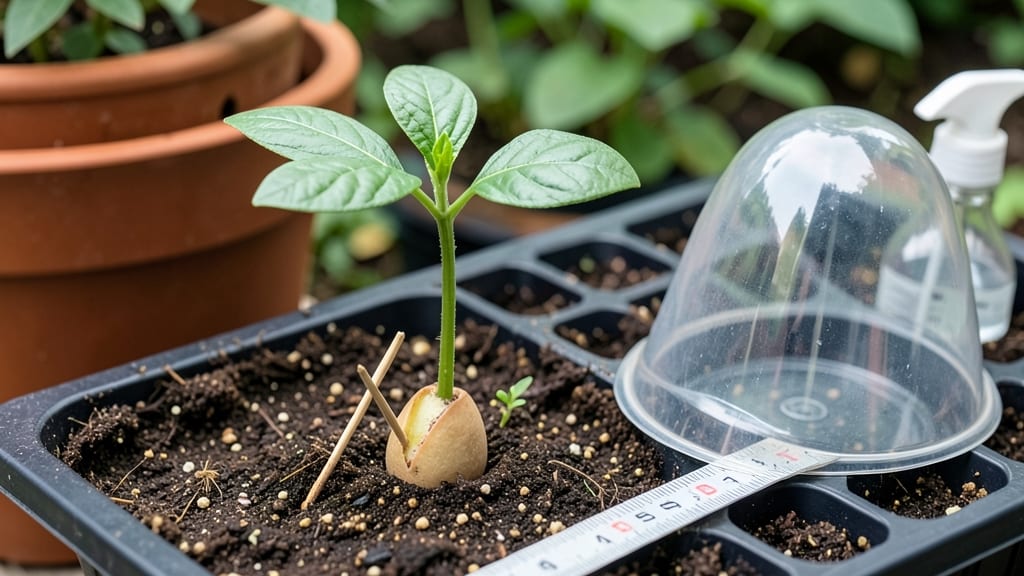
Planting an avocado seed in soil at the right time makes all the difference between a thriving 🥑 sapling and a sad, moldy pit.
You’ve got the seed, the toothpick, and the jar of water—now what? Timing isn’t just about the calendar; it’s about warmth, moisture, and whether you’re starting indoors or braving the great outdoors. Get it wrong, and you’re staring at a seed that either rots or stalls.
Get it right, and you’re on your way to a tiny tree that could one day bear fruit (yes, really!).
For most of us in USDA Zone 6a and beyond, the sweet spot is late spring, once the soil warms up and the last frost has faded. But if you’re in a warmer climate, your window might stretch into summer—or even year-round.
Below, I’ll walk you through the exact steps, from soil prep to the first signs of life, so you can avoid the common pitfalls that trip up even experienced growers.
Ready to turn that seed into a seedling? You’ll learn how to time your planting for your climate, whether to start indoors or outdoors, and the week-by-week care tricks that’ll give your avocado the best shot at survival.
Best time to plant avocado seed in soil by climate Zone
Avocado seeds thrive in warm conditions, but planting timing varies dramatically depending on your climate zone. In USDA Zones 10-11 (tropical/subtropical), you can plant seeds year-round outdoors—just avoid heavy rain periods.
For Zones 8-9, aim for late spring to early summer (May-June) when soil temps stay above 60°F (15°C). In colder regions (Zones 6-7), start seeds indoors in late winter (February-March) and transition outdoors only after all frost risk passes.
Your local frost dates are critical—avocado seeds cannot tolerate freezing. Even a light frost will kill young seedlings. Check your USDA Zone and last frost date to plan accordingly. For example, in Zone 7a, wait until mid-May to plant outdoors, while Zone 11 gardeners can plant anytime.
Always err on the side of planting too late rather than too early, as avocado seeds are sensitive to cold soil.
Indoor vs. outdoor timing is another key factor. If you live in a cooler climate, start seeds indoors 8-12 weeks before your last frost date. This gives seedlings a 3-4 inch height before transitioning to pots outdoors. In warm climates, you can skip indoor starting and plant seeds directly in well-draining soil outdoors once temperatures stabilize above 70°F (21°C).
Soil temperature is more important than air temperature for avocado seeds. Use a soil thermometer to confirm temps are consistently above 65°F (18°C) before planting. Cold soil slows germination and increases the risk of rot or fungal diseases. In containers, soil warms faster than in-ground soil, so you can plant 1-2 weeks earlier in pots than in garden beds.
| Climate Zone | Best Planting Time | Indoor Start? | Soil Temp Requirement | Outdoor Transition |
|---|---|---|---|---|
| USDA Zones 10-11 (Tropical) | Year-round (avoid heavy rains) | No (direct outdoor) | 65°F+ (18°C+) | None (plant directly) |
| USDA Zones 8-9 (Subtropical) | Late spring (May-June) | Optional (if cold snaps risk) | 70°F+ (21°C+) | After last frost (harden off first) |
| USDA Zones 6-7 (Temperate) | Indoors: Feb-Mar | Outdoors: May-June | Yes (8-12 weeks before last frost) | 60°F+ (15°C+) | After May 15 (Zone 6) or April 15 (Zone 7) |
| USDA Zones 4-5 (Cool) | Indoors: Jan-Feb | Outdoors: June-July | Yes (start early) | 70°F+ (21°C+) | Only after July 4th (low frost risk) |
For container growing, timing is more flexible since you can move pots indoors during cool snaps. Start seeds in 4-6 inch pots with well-draining cactus/succulent mix and keep them in a sunny indoor spot (south-facing window).
Once soil temps warm to 70°F+ (21°C+), transition pots outdoors for 6-8 hours/day, gradually increasing exposure over 1-2 weeks to avoid transplant shock.
In tropical climates, the monsoon season can delay planting. Avocado seeds dislike waterlogged soil, so avoid planting during heavy rain periods. Instead, choose dry-season months (e.g., November-February in Hawaii or Florida) for best results. Use raised beds or elevated containers to improve drainage if your area gets
Avocado seed germination timeline: what to expect week by week
Planting your avocado seed in soil marks the beginning of a journey that can take 4 to 12 weeks to see those first signs of life. The key is patience and consistency—your seed needs warmth, moisture, and oxygen to break dormancy.
I’ve tracked hundreds of avocado seeds, and the most critical factor isn’t just the soil but the timing of each stage. Let’s break it down week by week so you know exactly what to expect.
First, your seed must develop roots before sprouting. This underground phase is where most beginners make mistakes—either by overwatering (which causes rot) or underwatering (which stalls growth). The good news?
With the right approach, you’ll see root growth within 2 to 4 weeks, followed by a tiny shoot in another 1 to 2 weeks. Here’s how to spot each milestone and what to do next.
Most seeds sprout within 4 to 8 weeks, but some take longer—especially if the seed was stored dry or planted in cold soil. If you don’t see roots by week 4, gently check by removing the seed from its medium.
If it’s mushy or moldy, start over with a fresh seed. Patience is key—avocado seeds are slow starters but worth the wait!
Once your seedling has 4-6 leaves, it’s ready for its first fertilizer dose (use a balanced 10-10-10 mix diluted to half strength). This boosts growth without overwhelming the young roots.
Place the pot in full sun (6+ hours daily) and water deeply once a week, ensuring the top inch of soil dries out between waterings to prevent fungal issues.
By week 12, your avocado seedling should be 12+ inches tall with a strong root system. This is when you can start dreaming about transplanting outdoors (if you’re in a USDA zone 10+) or keeping it indoors near a south-facing window.
The real magic happens in the next 3-5 years, when your tree could finally bear fruit—but that’s a story for another day!
🌱