
How To
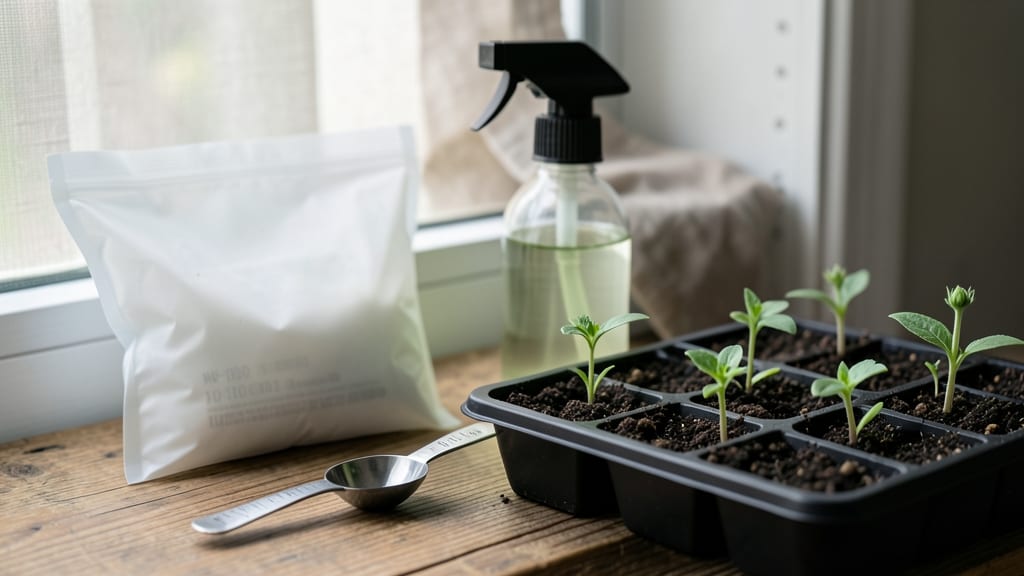
Fertilizing zinnia seedlings at the right time is the key to strong stems and vibrant blooms 🌼 — and skipping or rushing it can leave your plants struggling.
Picture this: you’ve just planted your zinnia seeds, and the first true leaves are peeking through the soil. That’s your 2–4 week window to introduce nutrients, but too much too soon can burn delicate roots.
The timing isn’t just about when—it’s about how your seedlings respond to soil warmth, moisture, and even the phase of the moon (yes, really).
Most gardeners wait until seedlings hit the true leaf stage—about 1–2 inches tall—before applying a light, balanced fertilizer. But if your soil is already nutrient-rich, you might skip this step entirely.
The real secret? Adjusting for your climate, whether you’re in USDA Zone 6a or further south, and avoiding the over-fertilization trap that weakens young plants.
In this guide, I’ll walk you through the exact schedule—from pre-transplant prep to post-bloom care—plus the best organic and synthetic fertilizers to use at each stage. No more guesswork, just stronger zinnias from seed to showstopper.
Optimal fertilization timeline for zinnia seedlings: week-by-week breakdown
Zinnia seedlings thrive on precision—especially when it comes to fertilization. Too early, and you risk burning delicate roots; too late, and your plants may struggle to develop strong stems and vibrant blooms.
The key is a stage-specific approach that aligns with your seedlings' growth phases, from germination to first bloom. Whether you're using organic compost or synthetic granules, timing is everything for healthy zinnia development.
Most gardeners make the mistake of fertilizing immediately after sowing, but zinnia seeds don't need nutrients until they've sprouted and developed their first true leaves.
This 2-3 week window is critical—your seedlings are drawing energy from their seed reserves, not your soil. Patience here prevents nutrient overload and ensures strong root establishment.
🌱
At the true leaf stage (weeks 2-3), your zinnia seedlings are ready for their first gentle nutrient boost. This is where I recommend starting with a diluted organic fertilizer like compost tea or a low-nitrogen fish emulsion (5-5-5 ratio).
The goal here is to encourage root development without overwhelming the young plants. Think of it as a wake-up call for their growth—just enough to get them excited without causing a sugar rush.
When transplanting (around week 4), switch to a balanced starter fertilizer like a 5-10-10 synthetic blend or worm castings. This helps your zinnias recover from transplant shock and establish a stronger root system in their new location.
Pro tip: Water thoroughly before and after applying fertilizer to prevent root burn. I've seen too many gardeners skip this step and end up with wilting seedlings within days.
By weeks 5-6, your zinnias should be looking more like the vigorous plants you envisioned. This is when you can increase to a moderate feed using a 10-10-10 balanced fertilizer or well-aged compost. The key here is consistency—apply every 4-6 weeks during the growing season.
Over-fertilizing now can lead to excessive foliage at the expense of blooms, which is the opposite of what we want from zinnias.
As your zinnias approach their first bloom (weeks 7-8+), shift to a high-phosphorus fertilizer like a 5-20-20 blend or homemade banana peel tea. Phosphorus is the secret ingredient for promoting flower production.
I've found that zinnias respond beautifully to this switch—they'll start putting more energy into bud development rather than just leaf growth. For organic gardeners, banana peels are a fantastic (and free!) source of phosphorus. Just dry and blend them into a tea, then strain before applying.
Watch for signs of over-fertilization, which include yellowing leaves, crispy leaf edges, or stunted growth. These are clear indicators that you've given your zinnias too much of a good thing
Common fertilization mistakes that kill zinnia seedlings (and how to avoid them)
Zinnia seedlings are delicate, and fertilizing them too early or too aggressively can cause more harm than good. The most common mistake is applying fertilizer before the first true leaves appear.
Young seedlings don’t need extra nutrients—they rely on the energy stored in their seeds. Over-fertilizing at this stage can cause seedling burn and stunt growth before it even begins.
Another frequent error is using high-nitrogen fertilizers too soon. While nitrogen supports leafy growth, zinnias need a balanced 5-10-10 NPK ratio to thrive. Too much nitrogen early on leads to leggy, weak seedlings that topple over or struggle to develop strong stems.
Always opt for a low-concentration fertilizer (like a diluted 5-10-10) when your seedlings are still small.
Timing is everything—even after true leaves emerge. Many gardeners make the mistake of fertilizing right after transplanting. Zinnias need time to recover from the stress of moving, and feeding them too soon can shock their roots.
Wait at least 10-14 days post-transplant before applying any fertilizer to give them a chance to establish.
⚠️ When to Fertilize Zinnia Seedlings: Critical Timing Rules
Never fertilize: Before true leaves appear, within 7 days of transplanting, or during extreme heat/drought.
First feed: 10-14 days after transplanting with half-strength fertilizer (e.g., 1 tbsp diluted in 1 gallon of water).
Subsequent feeds: Every 4-6 weeks during active growth (spring/summer). Skip fertilization in fall/winter.
Watch for warning signs of over-fertilization, like yellowing leaves, crispy edges, or stunted growth. If you notice these symptoms, flush the soil with water to dilute excess salts and reduce fertilizer strength by half for the next application.
Zinnias are resilient, but they’ll reward you with bold blooms only if you nurture them with precision.
One more pitfall? Using compost or manure directly on seedlings. Fresh organic matter can burn tender roots due to high ammonia levels. Instead, use well-aged compost or compost tea to avoid harming your young plants. Always apply organic amendments to the soil before planting, not after.
Finally, avoid fertilizing late in the day. Applying nutrients when the sun is setting can leave seedlings vulnerable to fungal diseases like powdery mildew. Stick to early morning applications to let the fertilizer absorb gradually and reduce moisture-related risks.
By avoiding these common mistakes—patience with timing, balanced nutrients, and attentive care—your zinnia seedlings will grow into healthy, vibrant plants ready to burst into color. Happy gardening! 🌼