
How To
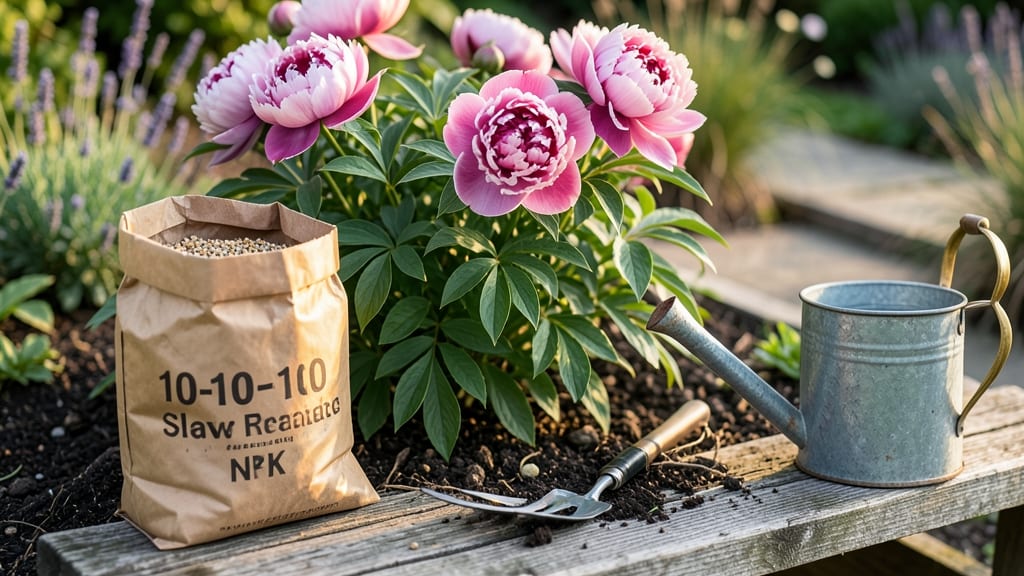
Fertilizing peonies at the right time—early spring before new growth—is the secret to bold, abundant blooms every season.
Picture this: You’ve waited years for your 🌸 peonies to mature, only to watch them produce a handful of weak stems instead of the lush clusters you dreamed of. The culprit? Fertilizer applied too late, too early, or in the wrong amounts. Timing isn’t just important—it’s everything.
Peonies thrive when fed right as they wake from dormancy, but a second boost in fall can set next year’s buds for even bigger blooms. Below, I’ll break down the exact windows, the best fertilizers for peonies, and the three mistakes that turn your garden’s crown jewels into underachievers.
Ready to turn your peonies into the showstopper of the neighborhood? Let’s get into the science-backed schedule that guarantees stronger stems, brighter blooms, and fewer flops.
Peony fertilization timeline: spring feeding for strong blooms
Peonies wake up from dormancy in early spring, signaling the perfect time to feed them. The 3-phase spring feeding schedule ensures strong roots, sturdy stems, and abundant blooms.
Without proper timing, you risk weak growth or no flowers at all. Let’s break down the exact when and how to fertilize for maximum impact.
Most gardeners make one critical mistake: fertilizing too late in spring. By the time you see buds forming, it’s already too late to boost next year’s blooms.
The key is feeding before new growth appears, typically when soil temperatures reach 50°F (10°C)—usually late February to early March in most climates.
Before applying any fertilizer, test your soil’s pH and nutrient levels. Peonies thrive in slightly acidic to neutral soil (pH 6.5-7.0). If your soil is deficient in phosphorus (the P in NPK), your peonies will struggle to form buds.
A simple soil test kit from your local garden center will reveal what amendments you need.
Organic options like bone meal or composted manure provide slow-release phosphorus, while synthetic 5-10-10 fertilizers offer a balanced boost. I prefer organic for established peonies, but synthetic works well for new plantings needing a quick nutrient kick.
| Phase | Timing | Fertilizer Type | Amount | Purpose |
|---|---|---|---|---|
| Early Spring | Late Feb - Early Mar (soil at 50°F) | Bone meal or 5-10-10 | 1 tbsp per plant | Root growth & bud formation |
| Mid Spring | Mid-April (new shoots 2-3") | Balanced 10-10-10 | ½ tbsp per plant | Stem strength & foliage |
| Late Spring | After blooming (June) | Compost or worm castings | 1 cup per plant | Root recovery & next year’s buds |
For the early spring feeding, scatter fertilizer 6 inches away from the plant’s base and lightly scratch it into the top inch of soil. Water thoroughly to activate nutrients. Avoid direct contact with stems or leaves, as concentrated fertilizer can cause burn damage.
In mid spring, when you see 2-3 inch shoots, apply a lighter dose of balanced fertilizer. This phase focuses on stem strength rather than bud formation. Overdoing it here leads to lush foliage but fewer blooms—a common mistake I see in gardens.
After blooming, switch to organic matter like compost or worm castings. This late spring feeding helps roots recover and sets the stage for next year’s buds. Think of it as a recovery meal rather than a growth boost.
Never fertilize peonies in summer or fall. New growth during these seasons weakens plants before winter, making them vulnerable to frost damage. The key is timing: feed when the plant is actively growing but before it sets buds.
Watch for signs of overfeeding: yellowing leaves, weak stems, or no blooms despite lush foliage. If this happens, flush the soil with water and reduce fertilizer next time. Peonies are forgiving, but they hate excess nitrogen.
For container-grown peonies, use half the recommended dose and fertilize every 4-6 weeks during spring. Their roots have less room to access nutrients, so they need gentler feeding. Always water before and after fertilizing to prevent root burn.
Fall fertilization secrets: why late-season boosts matter more than you think
Most gardeners focus on spring feeding for peonies, but fall fertilization is the secret weapon for next year’s blooms. When you feed your peonies in late autumn, you’re not just preparing them for winter—you’re building next year’s flower buds while strengthening roots.
This often-overlooked step can double your bloom count if done correctly, but timing and method matter.
The key is to fertilize peonies 6-8 weeks before your first frost, typically in September or early October in most USDA zones. This window allows roots to absorb nutrients before dormancy while avoiding late-season growth that could get damaged by cold.
Think of it as a winter prep course for your plants.
- 1
- 2
- 3
- 4
For peonies, phosphorus is the magic ingredient in fall fertilization. This nutrient promotes root thickening and flower bud development—critical for next year’s display. I recommend Espoma Garden Tone (a balanced organic fertilizer) or Osmocote Smart-Release 14-14-14 for synthetic gardeners. Both release nutrients slowly, matching your peony’s dormancy cycle.
After applying fertilizer, mulch heavily with 2-3 inches of straw or shredded leaves. This insulates roots, protects against temperature swings, and locks in moisture for gradual nutrient uptake. Just avoid piling mulch against the crown—peonies hate soggy centers, which can cause crown rot.
Fall fertilization might seem counterintuitive, but it’s one of the best investments for peony lovers. Plants that receive this late-season boost often produce larger, more abundant blooms the following spring. Plus, the stronger root systems make them more drought-resistant during summer heat waves.
Pro tip: Mark your calendar for September 15th each year—this is the sweet spot for most peony-growing regions. If you miss it, don’t stress; even a light feeding in early October is better than none at all.
Your peonies will thank you with years of spectacular blooms—and that’s a reward worth the effort. 🌸🌿