
How To
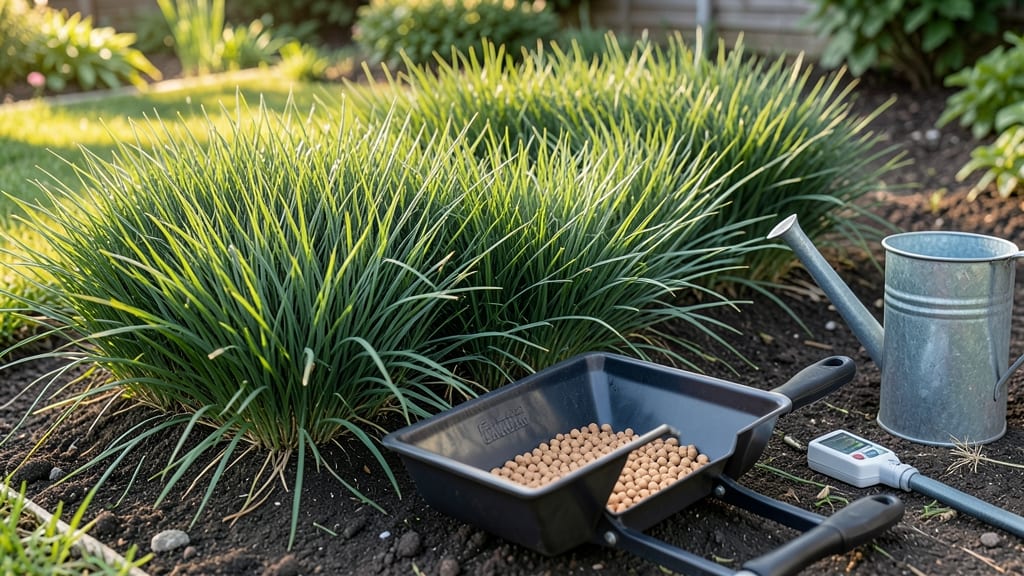
Fertilizing new fescue grass at the right time is the key to strong root growth and a thick lawn 🌱—typically 4 to 6 weeks after planting, once seedlings are 3 to 4 inches tall.
Planting new fescue grass is just the first step—timing your fertilization correctly can mean the difference between lush, deep roots and weak, patchy growth. But when exactly should you fertilize, and what happens if you get it wrong?
In USDA Zone 6, the best windows are early spring or early fall, when soil is warm but not scorching. Too early, and you risk burning tender seedlings; too late, and the grass struggles to establish before winter.
Below, I break down the exact timing, fertilizer types, and signs your new grass is ready—so you can skip the guesswork and get a lawn that’s both healthy and hardy.
Critical fertilization timeline for new fescue grass seedlings (first 3 months)
New fescue grass seedlings need precise fertilization timing to establish strong roots and vibrant growth. The first 3 months are critical—too little fertilizer leaves your lawn weak, while too much can burn delicate seedlings.
I’ve broken down the exact soil temperature triggers and growth stage milestones to help you fertilize at the perfect moments.
Fescue thrives when soil temperatures reach 55–65°F, signaling it’s time for the first fertilizer application. This typically aligns with early spring (March–April) or early fall (September–October) in most USDA Zone 6 regions. Missing these windows can stunt root development, leaving your lawn vulnerable to weeds and drought.
| Stage | Soil Temp | Fertilizer Type | Action |
|---|---|---|---|
| Planting | 55–65°F | Starter fertilizer (10-10-10) | Apply lightly at seeding |
| Germination (2–3 weeks) | 60–70°F | Low-nitrogen boost (5-5-5) | Side-dress with granules |
| Establishment (4–8 weeks) | 65–75°F | Balanced fertilizer (16-4-8) | Apply when grass reaches 3 inches |
| Root Maturity (9–12 weeks) | 60–70°F | Micronutrients (iron, zinc) | Foliar spray for greening |
The first step is applying a starter fertilizer at planting, using a low-nitrogen blend (10-10-10). This provides essential nutrients without overwhelming the seedlings. Spread it evenly over the soil surface before seeding, then lightly rake it in.
Avoid over-application—½ cup per 100 sq ft is ideal for new fescue.
Once seedlings emerge (typically 2–3 weeks after planting), switch to a low-nitrogen boost (5-5-5) to encourage root growth. Apply this when soil temperatures hit 60–70°F, usually in late spring. Use a side-dressing method—sprinkle granules along the rows and water lightly to activate them.
By the time your fescue reaches 3–4 inches tall (around 4–6 weeks), it’s ready for a balanced fertilizer (16-4-8). This stage marks the transition to establishment growth, where deeper roots need phosphorus and potassium.
Apply in early morning to avoid leaf burn, and water immediately afterward to help nutrients penetrate the soil.
At the 3-month mark, focus on micronutrients like iron and zinc to promote a deep green color. A foliar spray works best here, as it delivers nutrients directly to the leaves.
This is also the time to reduce watering slightly—1 inch per week—to encourage root depth before winter dormancy.
Over-fertilizing at any stage can lead to salt buildup in the soil, causing brown patches. Always water after application to rinse excess fertilizer away from the grass blades. If you notice yellowing tips or stunted growth, reduce fertilizer strength by half and focus on proper watering instead.
For cooler climates (USDA Zone 5 or below), delay fertilization until soil warms to 60°F in spring. In warmer zones (Zone 7+), early fall fertilization (September) can extend growth before winter.
Always adjust based on your local last frost date—fescue needs 4–6 weeks of warm soil to establish before cold sets in.
Pro tip: Use a soil thermometer to track temperatures—consistent readings above 55°F mean it’s safe to fertilize. Pair this with regular mowing (3–4 inches height) to encourage dense growth and reduce weed competition during the first season.
Signs your new fescue needs fertilizer (and when to avoid it)
New fescue grass sends clear signals when it needs nutrients—yellowing blades, stunted growth, or pale patches are the most common warnings 🌱. These signs often appear when soil nutrients are depleted, especially nitrogen, which fuels rapid growth.
But here’s the catch: not all yellowing means fertilizer is needed. Compacted soil, fungal issues, or even too much water can mimic nutrient deficiencies.
Before reaching for the fertilizer, check for dry, brittle blades or thin, sparse growth. These are classic signs your fescue is starving for nutrients. However, dark green patches with a rubbery texture could indicate overwatering or disease—not a lack of fertilizer.
Always rule out pests or soil compaction first, as these can block nutrient absorption.
⚠️ ⚠️ WARNING: Fertilizing Too Early or Too Late ⚠️ ⚠️
⚠️ Avoid fertilizing in extreme heat or drought! High temperatures cause fertilizer to volatilize (burn off) instead of nourishing the grass. If your lawn shows signs of heat stress (grayish blades, wilting), hold off until soil moisture returns to normal.
Seasonal timing is everything. In spring, fertilize when soil temps reach 55°F or warmer—this ensures nutrients activate without shocking tender roots. For fall, aim to fertilize 6-8 weeks before the first frost to encourage deep root growth before winter dormancy.
Skipping this step can leave your fescue weak and prone to winter kill.
Watch for fungal growth like brown spots or mold after fertilizing—this is a red flag for over-application. If you notice these symptoms, flush the soil with water to dilute excess salts.
A simple test: sprinkle a pinch of fertilizer on a small patch of grass. If the blades turn yellow or crisp within 24 hours, you’re overdoing it.
For a quick diagnostic, dig up a small section of grass and examine the roots. Healthy fescue roots should be white or pale yellow and 1-2 inches long.
If they’re dark brown or mushy, your grass is either drowning or suffering from root rot—not a nutrient deficiency. In this case, improve drainage before fertilizing.
Pro tip: Use a soil test kit ($10-$20 at garden centers) to check pH and nutrient levels before fertilizing. Fescue thrives in slightly acidic soil (pH 6.0-7.0). If your soil is too alkaline, adding sulfur or peat moss can restore balance—saving you from wasting fertilizer on ineffective applications.