
Lawn
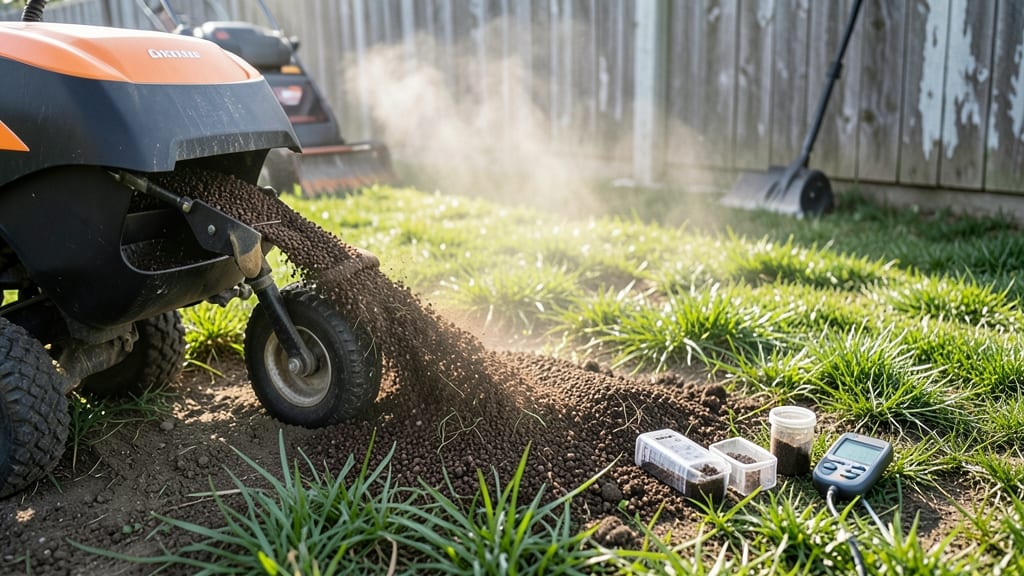
Fertilizing your lawn in spring at the right time is the key to a thick, pest-resistant carpet of grass 🌱 — and missing the window can leave you with weak growth or even weed invasions.
Picture this: You’ve spent weeks prepping your lawn—mowing, aerating, even testing the soil—only to apply fertilizer too early, and suddenly, you’re battling crabgrass instead of enjoying lush green blades. The difference between a flawless spring feed and a disaster often comes down to timing.
For most lawns in USDA Zone 6a, the ideal window is late March to early April, just as the grass breaks dormancy but before the heat peaks. But whether you’re in a cooler northern climate or a warmer southern region, the rules shift.
I’ll walk you through the exact timing, climate adjustments, and prep steps to ensure your lawn gets the nutrients it needs—without the guesswork.
You’ll also learn how to spot when your lawn actually needs fertilizer (hint: it’s not always March) and how to avoid common mistakes that waste money and harm your grass. Let’s get started.

The ideal spring fertilization timeline by climate Zone
Spring fertilization is the cornerstone of a thick, vibrant lawn, but the perfect timing depends entirely on your climate zone and grass type. Cool-season grasses (like Kentucky bluegrass and fescue) wake up early, while warm-season grasses (like Bermuda and Zoysia) need patience.
Get this wrong, and you risk burning roots or inviting weeds. Let’s break down the exact windows for each zone.
First, know your grass type and last frost date. Cool-season grasses thrive in USDA Zones 3-7 and should get their first feed 4-6 weeks after dormancy breaks. Warm-season grasses in Zones 8-11 wait until soil temps hit 60°F—usually late April or May.
Skipping this step means missing the root growth surge that defines a healthy lawn.
⚠️ CRITICAL NOTE: Never fertilize if frost is forecast within 48 hours. Grass can’t absorb nutrients in cold soil, and excess fertilizer becomes a runoff hazard. Always check your local extended forecast before applying.
For cool-season lawns, aim to fertilize twice in spring: once in early April (when grass is green but not growing rapidly) and again in late May.
This two-step approach mirrors nature’s growth cycles—think of it as giving your grass a spring boost and a summer prep. Pro tip: Use a slow-release fertilizer (like 24-0-4) to avoid nutrient spikes that attract pests.
In warm climates, patience is key. Warm-season grasses like Bermuda or Zoysia stay dormant until soil warms, so wait until mid-May—or risk burning tender new shoots. If you’re in Zone 9+, consider a light nitrogen feed in June instead of spring, as summer’s heat triggers growth.
Always pair fertilization with 1 inch of water to activate nutrients.
Regional tweaks matter. In the Pacific Northwest (Zone 7-9), fertilize 2 weeks earlier than the table suggests due to cooler maritime air. Conversely, in the Southeast (Zone 8), delay until after Memorial Day to avoid fungal diseases from lingering moisture.
Listen to your grass: if it’s yellowing or sparse, it’s signaling nutrient stress—but if it’s green but slowing, hold off until soil warms.
One common mistake? Over-fertilizing early. Too much nitrogen in cold soil leads to leaf burn and weed outbreaks. Stick to half the recommended dose in your first spring application, then reassess in 6 weeks.
Pair this with core aeration (rent a core aerator for $60/day) to let roots breathe and absorb nutrients efficiently.
After fertilizing, skip mowing for 3-4 days to let grass blades recover. Then, set your mower to 3-4 inches for cool-season grasses or 1-2 inches for warm-season types.
This height shades roots and retains moisture—critical in late spring droughts. For extra protection, top-dress with compost to improve soil structure and <
5 Signs your lawn needs fertilizer (and when to skip it)
Spring lawn care starts with reading your grass’s health signals. A vibrant lawn doesn’t just happen—it’s a response to proper nutrient timing and soil conditions. Before reaching for that fertilizer bag, check for these key indicators that your lawn is ready for feeding.
Ignoring these signs can lead to over-fertilization or missed opportunities for growth.
Your grass’s color and texture are the first clues. A lawn with dull green or yellowish patches often lacks nitrogen, while thin, sparse growth signals poor root development. These visual cues mean your soil may be depleted from winter dormancy.
However, not all discoloration means fertilization is needed—fungal diseases or pest damage can mimic nutrient deficiencies.
🌱 When to Fertilize Your Lawn in Spring
- 1. After last frost – Wait until soil temps hit 55°F+ (test with a soil thermometer) to avoid burning tender new growth.
- 2. When grass recovers from winter dormancy – Look for new shoots emerging (usually 2-4 weeks post-frost).
- 3. For cool-season grasses (fescue, ryegrass) – Apply early spring (March-April) for vigorous growth before summer heat.
- 4. For warm-season grasses (Bermuda, Zoysia) – Wait until late spring (May) when soil warms to 65°F+.
- 5. After aeration – If you aerate in fall, fertilize 4-6 weeks later in spring to maximize nutrient absorption.
Slow or stunted growth is another red flag. If your lawn grows less than ½ inch per week in spring, it’s likely nutrient-starved. Compare your grass’s growth rate to neighboring lawns—healthy turf should double its growth speed after fertilization.
However, if your lawn grows too quickly (over 1 inch per week), it may already be over-fertilized.
Check for soil compaction by pressing a screwdriver into the ground. If it won’t penetrate 3 inches deep, your lawn’s roots are struggling to access nutrients. Compacted soil often requires aeration before fertilizing.
Skip fertilization if your soil is waterlogged or frozen—nutrients won’t absorb properly in these conditions, wasting your money and potentially harming grass.
Weeds like crabgrass or dandelions indicate poor soil health. While pre-emergent herbicides can help, fertilizing with a balanced NPK ratio (24-0-4) strengthens grass roots, making them more competitive.
But if weeds dominate 30%+ of your lawn, address soil pH first—lime for acidic soil or sulfur for alkaline soil before fertilizing.
Finally, skip fertilization if your lawn shows signs of disease (brown rings, mold) or pest damage (grubs, chinch bugs). Fertilizer can worsen fungal issues by promoting rapid, weak growth.
Instead, treat the underlying problem first—fungicides for disease or insecticides for pests—then fertilize 4-6 weeks later once the lawn recovers.