
How To
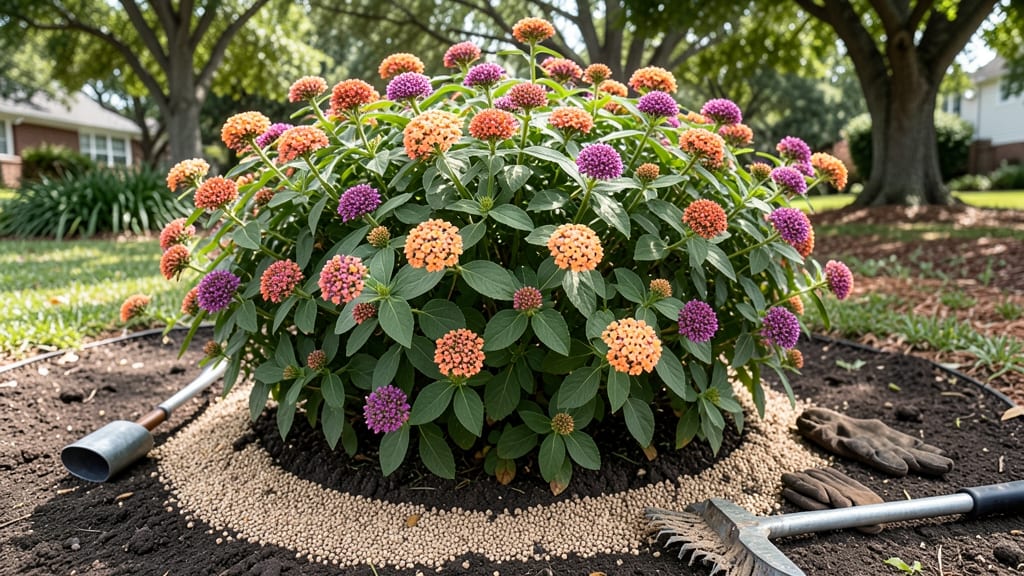
To fertilize lantana at the right time means feeding it when it’s ready to bloom 🌸—typically in early spring after the last frost and again in early summer to keep those vibrant flowers coming.
Struggling to keep your lantana blooming all season? The secret lies in strategic fertilization timing—too early or too late, and you’ll miss the sweet spot for vibrant flowers.
Lantana thrives in USDA Zone 6a when fertilized during its active growth phase, which runs from April through August. A light feeding in spring kickstarts growth, while summer feedings every 4-6 weeks ensure continuous blooms.
Here’s how to time it perfectly: when soil warms to 60°F in spring, and when flowers start fading in late summer, so you’re not overfeeding before dormancy. I’ll walk you through the exact schedule, plus how to pick the right fertilizer for lush, long-lasting blooms.
Best times to fertilize lantana for maximum blooms
If you’ve ever wondered why your lantana flowers fade mid-season, the answer likely lies in your fertilization timing. Lantana thrives on precision—feeding it at the wrong time can lead to leafy growth instead of those vibrant blooms you love.
The key? Aligning fertilization with soil warmth and growth phases for year-round color.
Science shows that lantana blooms best when fertilized during active growth phases, specifically in spring and early fall. These periods coincide with soil temperatures above 60°F, signaling your plant to push new growth and flowers.
Skip winter fertilization entirely—your lantana is dormant, and feeding it then can stress the roots.
Here’s the golden rule: Fertilize when your lantana is actively growing but not yet flowering. This ensures nutrients fuel root and foliage development before the energy shifts to blooms. Think of it like prepping for a marathon—you wouldn’t sprint at the start, would you?
| Season | Best Time to Fertilize | Soil Temp Cue | Growth Phase | Fertilizer Type |
|---|---|---|---|---|
| Spring | After last frost (April) | 60°F+ | New growth | Balanced (10-10-10) |
| Summer | Every 4-6 weeks | 70°F+ | Blooming | Low-nitrogen (5-10-10) |
| Fall | Early September | 55°F+ | Root hardening | Light organic |
| Winter | None | Below 50°F | Dormant | Skip |
Let’s break down the spring fertilization window, which is critical for setting up a bloom-heavy season. Once your last frost date has passed and soil warms to 60°F, apply a balanced fertilizer (like 10-10-10).
This kickstarts root and stem growth, ensuring your lantana has the energy to produce buds and flowers later.
For summer blooms, switch to a low-nitrogen fertilizer (e.g., 5-10-10) every 4-6 weeks. High nitrogen in summer can lead to leafy monsters instead of flowers. Think of it as feeding your blooms, not your leaves. Water deeply after fertilizing to help nutrients reach the roots.
Don’t overlook early fall fertilization—this is your second chance to encourage late-season blooms. Apply a light organic fertilizer in early September when soil is still warm. This prepares your lantana for winter dormancy while extending your flowering season into October.
Avoid fertilizing in winter unless you’re in USDA Zone 10+, where lantana stays semi-dormant but active. In colder zones, feeding during dormancy can burn roots and delay spring growth. Instead, focus on mulching to protect roots and conserve moisture.
Pro tip: Always fertilize in the early morning to reduce leaf burn from heat. Water your lantana 24 hours before applying fertilizer to prevent salt buildup in the soil. And if you notice yellowing leaves after fertilizing, flush the soil with water—this could mean overfeeding.
Timing isn’t just about when you fertilize—it’s also about what you use. For organic gardeners, compost tea or fish emulsion works well in spring, while synthetic lovers might prefer timed-release granules. The goal? Consistent nutrients without shocking your plant.
By mastering these fertilization windows, you’ll transform your lantana from a one-season wonder into a year-round bloomer. Just remember: spring = growth, summer = blooms, fall = prep, and winter = rest. Your lantana’s blooms will thank you!
How to choose the right fertilizer for lantana growth
When it comes to lantana, choosing the right fertilizer can make the difference between vibrant blooms and leafy, leggy growth. Lantana thrives on a balanced NPK ratio like 10-10-10, but the type of fertilizer—whether slow-release or liquid—plays a crucial role in how your plant absorbs nutrients over time.
I’ve found that organic options like compost tea or fish emulsion work wonders for preventing overfeeding, while synthetic fertilizers offer precise control.
For most gardeners, the key is balancing convenience and effectiveness. Slow-release fertilizers are ideal for those who prefer a "set it and forget it" approach, while liquid fertilizers give you quick nutrient boosts perfect for when you notice wilting or slow growth.
My lantana plants respond best to a monthly liquid feed during peak bloom season, but I always switch to a slow-release pellet in late summer to avoid overstimulating new growth before dormancy.
Here’s how to weigh your options for lantana care:
Fertilizer Type Comparison for Lantana
Slow-Release Fertilizers
- Pros: Less frequent feeding, reduces burn risk, great for dormant season prep
- Cons: Harder to adjust NPK ratios, may not address immediate deficiencies
Liquid Fertilizers
- Pros: Quick nutrient uptake, easier to adjust for active growth phases
- Cons: Requires frequent application, higher risk of overfeeding if overused
Organic Alternatives
- Pros: Improves soil health, slow nutrient release, eco-friendly
- Cons: May require larger quantities, slower results than synthetic options
If you’re using a 10-10-10 fertilizer, stick to the 1 tablespoon per plant rule during spring and summer. For organic options like composted manure or worm castings, I recommend mixing 1-2 cups into the soil around the base every 6-8 weeks.
The key is to avoid high-nitrogen fertilizers, which encourage foliage at the expense of flowers—the opposite of what you want for lantana!
For container-grown lantana, I’ve had great success with time-release pellets placed in the soil at planting. This method ensures a steady supply of nutrients without the risk of runoff, which is especially important if you’re watering on a schedule.
Just be sure to follow label instructions for application rates, as overfeeding can lead to yellowing leaves and stunted blooms.
One mistake I see often is using high-phosphorus fertilizers (like 5-10-5) to encourage blooms, only to end up with leafy but flowerless plants. Lantana actually prefers a balanced approach, so I always opt for a 10-10-10 or 12-12-12 blend.
If you notice your lantana producing more leaves than flowers, it’s a sign to reduce nitrogen and increase phosphorus slightly for the next feeding.
Pro tip: Always water your lantana thoroughly before applying fertilizer. This helps prevent root burn and ensures the nutrients are carried directly to the roots where they’re needed most.
And remember, less is more—lantana is drought-tolerant and doesn’t need heavy feeding to thrive. A little goes a long way when you’re fertilizing these tough, beautiful plants! 🌸