
How To
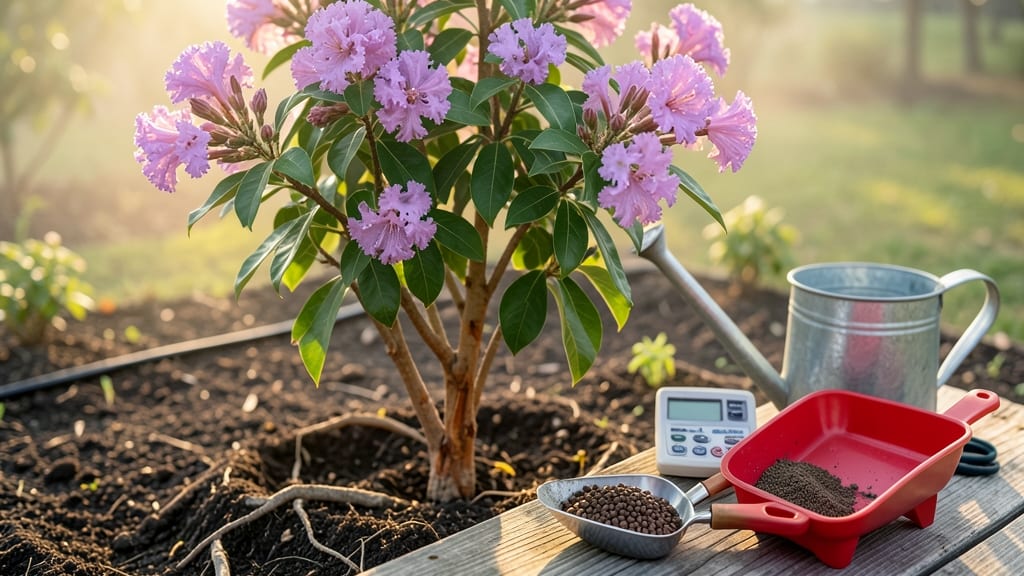
To fertilize crepe myrtle at the right time means unlocking vibrant blooms and avoiding the pitfalls that turn your 🌸 into a sad, leggy shadow of its potential.
Picture this: You’ve just pruned your crepe myrtle after last year’s stunning display, only to watch it sputter through summer with half-hearted leaves and no flowers. The culprit? Fertilizing at the wrong time—or worse, skipping it entirely when the roots were actually starving.
Timing isn’t just about when—it’s about the seasonal rhythm your tree follows, from dormancy to peak growth.
Most gardeners make one of two mistakes: either feeding too early in spring (when roots are still waking up) or overdoing it in summer (which triggers weak growth just before frost). The sweet spot?
A light feed in early spring and a second boost in late spring, tailored to your USDA zone. Below, I’ll break down the exact months, the signs your tree is hungry (or overfed), and how to pick the right fertilizer for bloom power—not just green leaves.
Ready to turn your crepe myrtle into the showstopper of the neighborhood? Let’s dive into the science-backed schedule that skips the guesswork and delivers year-round color.
Optimal fertilization timeline for crepe myrtle blooms: month-by-month guide
Timing your crepe myrtle fertilization is the secret to those show-stopping blooms you dream of every summer. Unlike many plants, crepe myrtles thrive on a precise schedule that aligns with their natural growth cycles.
Feed too early or too late, and you'll either stunt blooms or encourage weak, frost-sensitive growth. Let's break down the science-backed months that will transform your tree's performance—without the guesswork.
Most gardeners make one critical mistake: fertilizing during the wrong season. Late-season feeding tricks your crepe myrtle into producing tender new growth just before winter, leaving it vulnerable to frost damage.
Even worse, many overlook the early spring window when roots are hungry after dormancy. The key is understanding how your tree's needs shift monthly—and how your local climate zone tweaks these timelines.
Let's start with the critical early spring window—typically March through April in most USDA zones 7-9. This is when your crepe myrtle's roots wake up from dormancy and need a gentle nutrient boost to fuel new growth.
I recommend a balanced fertilizer like 10-10-10 or an organic option such as composted manure. The key here is to use half-strength application to avoid shocking the tree after winter.
Many gardeners skip this step, thinking their tree is still dormant, but crepe myrtles actually begin root activity as early as February in warmer climates. Pro tip: Look for new leaf buds forming—this is your cue to fertilize.
In colder zones (6 or below), wait until after your last frost date, usually around mid-April. The goal is to time fertilization with the tree's natural sap flow increase.
Once you've established that early spring feed, the next critical window opens in late May through June. This is when your crepe myrtle needs a second nutrient push to support both foliage growth and bloom development.
Here's where many gardeners make their second mistake: they use high-nitrogen fertilizers meant for lawns. For crepe myrtles, you want a balanced or slightly higher phosphorus formula (like 10-20-10) to encourage flowering without excessive leafy growth.
Organic gardeners often reach for fish emulsion or bone meal during this phase, which provides phosphorus while improving soil structure. I've had great success with a slow-release organic fertilizer applied in early June—it provides steady nutrients without the risk of runoff that comes with liquid fertilizers.
Remember to water thoroughly after application to help nutrients penetrate the root zone.
The summer months—July through August—are actually a fertilizer-free zone for crepe myrtles. This might seem counterintuitive, but your tree is focusing all its energy on producing those stunning blooms and preparing for dormancy.
Adding fertilizer now would encourage tender new growth that won't harden off before frost. Instead, focus on deep watering and pruning spent blooms
5 Critical signs your crepe myrtle needs fertilizer (and when to avoid it)
Your crepe myrtle might be silently begging for nutrients—or warning you to back off. Yellowing leaves or stunted growth are classic red flags, but timing matters just as much as symptoms.
Before reaching for fertilizer, check these 5 key signs to avoid overdoing it, especially in late summer when your tree needs to prepare for dormancy.
First, examine the leaf color. Healthy crepe myrtle leaves should be a rich, vibrant green. If you notice pale yellow leaves (chlorosis), it could signal nitrogen deficiency. However, brown leaf edges might mean too much salt from fertilizer burn. Both extremes demand different solutions.
Next, inspect the growth rate. A crepe myrtle that grows only a few inches per year may need nutrients, but sudden, rapid growth with weak branches could mean you're over-fertilizing. The goal is balanced, steady growth—not explosive spurts that invite disease or breakage.
Now, let’s talk soil. Dig a small hole near the tree’s drip line. If the soil is hard and compacted, your crepe myrtle’s roots are struggling to access nutrients. Amend with compost first—sometimes, soil health is the real issue, not fertilizer.
- Early Spring (March-April): Apply a balanced 10-10-10 fertilizer when new buds form. This kickstarts growth without overstimulating the tree before summer heat.
- Late Spring (May): A second light feeding supports bloom development. Use half the recommended dose to avoid salt buildup.
- Never in Summer or Fall: Fertilizing after June 1st encourages tender new growth that won’t survive winter. Let your tree harden off naturally.
- Winter Dormancy (December-February): Skip fertilization entirely. The tree is conserving energy, and feeding it now can lead to frost damage or disease.
- After Pruning (Late Winter): Wait 4-6 weeks post-prune before fertilizing. New cuts are vulnerable, and fertilizer can stress the tree during recovery.
Watch for bud formation. If your crepe myrtle produces fewer blooms than usual, it may need phosphorus (the middle number in NPK). However, if buds form but drop off, over-fertilizing or stress from poor soil could be the culprit.
Finally, consider your local climate. In warmer zones (USDA 8+), you might fertilize once in early spring and once in early summer. In cooler zones (USDA 6-7), stick to one feeding in spring—any more risks winter damage.
Always adjust based on your tree’s specific signals, not just the calendar.
Remember: Less is more with crepe myrtles. These trees are tough but sensitive to excess nutrients. When in doubt, test your soil first—sometimes, the answer isn’t more fertilizer, but better soil conditions. 🌸