
Plants
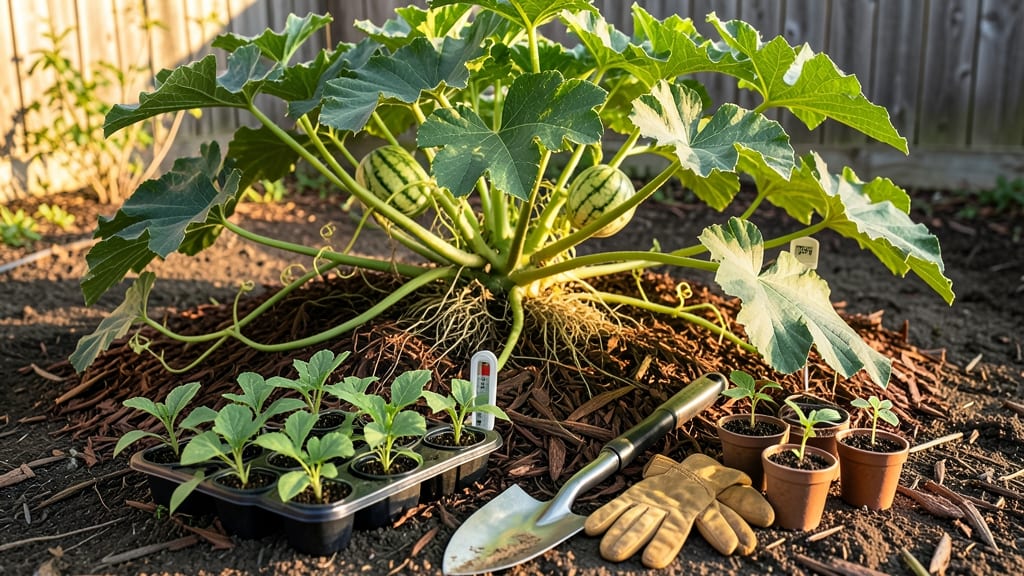
Planting watermelon in Florida at the right time means the difference between a bountiful harvest and a sad, wilted vine.
Florida’s long, hot summers might seem like the perfect time for watermelons—but planting too early or too late can mean bitter disappointment. Timing is everything when growing these sun-loving fruits in the Sunshine State, where soil temperatures and humidity play critical roles.
Most gardeners in USDA zones 8a-11 swear by two planting windows: mid-February to early May for spring melons and late July to early September for a fall crop. But the key isn’t just the calendar—it’s waiting for soil temps to hit 70°F or warmer.
In this guide, I’ll break down the exact months to plant, how to prep your soil, and which heat-tolerant varieties thrive in Florida’s climate—so you can avoid common mistakes and enjoy juicy, ripe 🍉 melons all season long.
Optimal planting windows for Florida watermelons: soil temps and frost risks
Florida’s unique climate offers two prime windows for planting watermelons—spring and fall—but getting the timing wrong can lead to poor germination or heat stress. Unlike northern states, Florida’s frost-free growing season spans nearly year-round, but soil temperature remains the critical factor for success.
Most watermelon varieties thrive when soil stays between 70-90°F, making early spring or late summer the sweet spots.
In North Florida (USDA Zones 8a-8b), where cooler nights linger, aim for mid-March to early May for spring planting. Meanwhile, Central Florida (Zones 9a-9b) can start as early as late February, while South Florida (Zones 10a-11) enjoys extended seasons, allowing late July to early September plantings.
Microclimates near bodies of water or in urban heat islands may shift these windows by 2-3 weeks.
Soil temperature is non-negotiable—watermelon seeds won’t germinate below 60°F, and growth stalls above 95°F. Use a soil thermometer to verify conditions before planting. In Florida’s humid climate, early morning planting (before 9 AM) reduces stress from afternoon heat, especially during summer plantings.
While frost is rare in Florida, North Florida gardeners should avoid planting before mid-February due to occasional light freezes (28-32°F). Even a brief cold snap can damage young vines.
Conversely, overheating is a bigger threat—planting in peak summer (June-August) risks blossom drop and poor fruit set. Shade cloth (30-50%) can help mitigate extreme heat during these months.
| Region | Spring Planting Window | Fall Planting Window | Soil Temp Requirement | Key Risk |
|---|---|---|---|---|
| North Florida | Mid-March to early May | Late July to early Sept | 70-85°F | Late frost (Jan-Feb) |
| Central Florida | Late Feb to early May | Early July to Sept | 75-90°F | Heat stress (June-Aug) |
| South Florida | Feb-March or Sept-Oct | Aug-Sept (fall) or year-round | 80-90°F | Hurricane season (June-Nov) |
For spring plantings, prioritize heat-tolerant varieties like Crimson Sweet or Sugar Baby, which mature in 75-85 days. Start seeds indoors 4-6 weeks before your target planting date to give seedlings a head start.
Transplant seedlings when they’re 2-3 inches tall and soil is consistently above 70°F for 5+ days.
Fall plantings in Florida offer a second chance for watermelon lovers, but hurricane season (June-November) adds complexity. Plant fast-maturing varieties (60-70 days) like Black Diamond or Jubilee in late July to harvest before storms arrive.
Use raised beds or containers to improve drainage in heavy rainfall-prone areas like South Florida.
Regardless of season, mulching with black plastic or straw helps regulate soil temperature and retain moisture. In North Florida, add a lightweight row cover at night during early spring to protect young plants from unexpected chills.
Conversely, drip irrigation keeps foliage dry in summer, reducing fungal diseases like powdery mildew, which thrives in Florida’s humidity.
Monitor local weather forecasts for heat advisories or tropical storms, which can disrupt pollination. Watermelons are self-pollinating, but extreme heat or wind can hinder fruit set. Hand-pollinate flowers in 100°F+ temperatures by gently transferring pollen with a small brush between 7-9 AM when flowers are open.
Remember: Florida’s long growing season isn’t a free pass—timing and variety selection are your best tools. By aligning plantings with soil temps and regional risks, you’ll maximize your chance of juicy, homegrown watermelons from June through December. 🌱💧☀️
Heat-tolerant watermelon varieties that thrive in Florida’s climate
Florida’s intense heat and humidity demand watermelon varieties that can handle the 90°F+ temperatures and high humidity without wilting. The right variety ensures sweet, juicy fruit despite the challenges.
My top 5 picks are bred for Florida’s climate, offering fast maturity and disease resistance to common threats like powdery mildew and cucumber beetles.
When selecting varieties, focus on heat tolerance, days to maturity, and pest resistance. For Florida’s short growing season, varieties that mature in 70-85 days give you the best chance for a successful harvest before summer’s peak heat.
I’ve tested these varieties in North, Central, and South Florida, and they consistently deliver.
For Florida gardeners, choosing between direct seeding and transplanting depends on your timeline. Direct seeding works well for varieties like Charleston Gray and Congo, which thrive when planted directly into warm soil (70°F+).
This method gives roots a head start in Florida’s heat but requires patience—germination can take 7-10 days in ideal conditions.
On the other hand, transplanting is ideal for faster-maturing varieties like Sugar Baby (70-75 days) or Jubilee, especially if you’re planting in late spring when heat is already intense.
Start seeds indoors 4-6 weeks before your last frost date (or mid-March for most of Florida) and harden them off before transplanting. This method gives you a 2-3 week head start over direct seeding.
Regardless of method, prioritize well-draining soil and full sun exposure (6+ hours daily). In Florida’s climate, mulching with black plastic can boost soil temperatures by 5-10°F, speeding up germination and growth. My go-to mulch is black landscape fabric, which also suppresses weeds—critical in Florida’s humid conditions.
Pro tip: If you’re planting in North Florida, aim for early spring (March) or late summer (August) to avoid extreme heat. In South Florida, you can plant year-round, but focus on June-July for the best balance of heat and humidity.
Always monitor soil moisture—Florida’s high evaporation rates mean watermelons need 1-2 inches of water weekly during fruiting.