
Plants
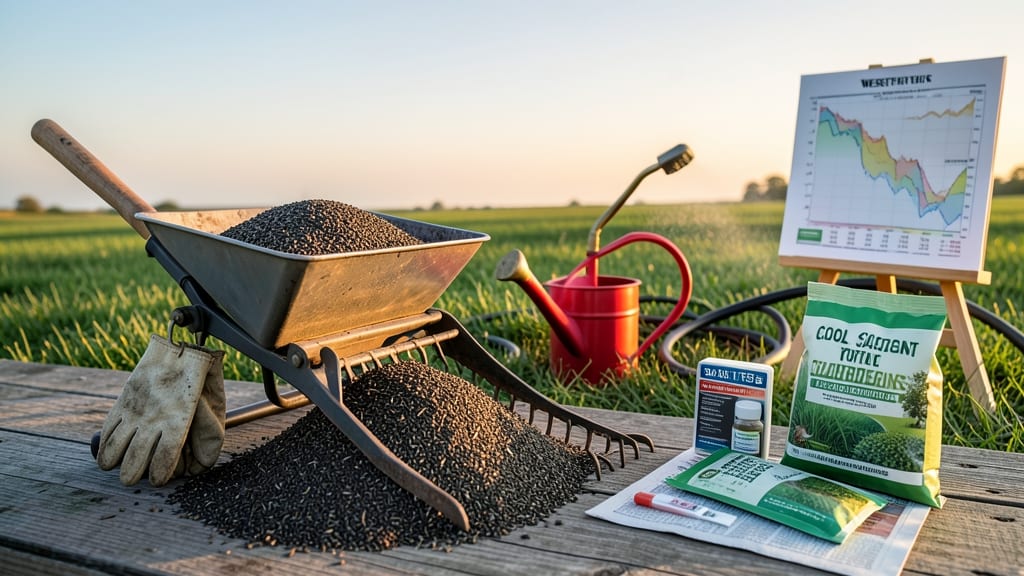
The best time to plant grass seed in Pennsylvania is when soil temperatures hit 50°F to 65°F—a window that shifts between early spring and fall, depending on your region’s microclimate.
Pennsylvania’s unpredictable spring and fall weather can turn a promising lawn into a patchy disappointment—unless you plant grass seed at the perfect temperature window. Timing isn’t just about the calendar; it’s about soil warmth, rainfall patterns, and avoiding summer droughts or winter freezes.
For most of Pennsylvania—especially in USDA zones 5b-7a—this means planting 4-6 weeks before the first frost (late August to early October) or 2-3 weeks after the last frost (mid-April to early May).
But if you’re in the Poconos or Pittsburgh, local frost dates and soil temps can shift your schedule by weeks.
Below, I’ll break down the exact soil temps to watch for, regional planting windows, and how to prep your lawn for strong, weed-resistant roots—no guesswork, just science-backed timing for a lush Pennsylvania lawn.
Optimal soil temperature ranges for planting grass seed in PA (with local climate data)
Pennsylvania’s cool-season grasses like Kentucky bluegrass and tall fescue thrive when planted in soil that’s 50°F to 65°F. This temperature range ensures consistent germination and strong root development before summer heat or winter frost sets in.
The challenge? Pennsylvania’s microclimates—from the Poconos’ cooler highlands to Pittsburgh’s urban warmth—create wildly different planting windows.
Most grass seeds won’t germinate below 50°F, and temperatures above 70°F can stress seedlings, leading to patchy lawns or failed establishment. Even within PA’s USDA zones 5b–7a, a 5°F difference in soil temperature can shift your ideal planting window by 2–4 weeks.
For example, Erie’s Zone 6a might see ideal temps in early April, while the Poconos’ Zone 5b could wait until mid-May.
Here’s the golden rule: Plant only after 10 consecutive days of soil temps staying above 55°F. Use a soil thermometer (or check local agricultural extension reports) to avoid guessing.
In southern PA (Zones 6b–7a), this often aligns with late March to early April, while northern PA (Zones 5b–6a) may need to wait until mid-to-late April.
| PA Region | USDA Zone | Ideal Soil Temp Range | Best Planting Window | Key Climate Note |
|---|---|---|---|---|
| Southeast (Philadelphia, Reading) | 6b–7a | 52°F–65°F | Late March–Early April | Warmer microclimates; risk of summer drought |
| Central (Harrisburg, State College) | 6a–6b | 50°F–63°F | Early–Mid April | Moderate temps; spring rains help germination |
| Northwest (Erie, Poconos) | 5b–6a | 50°F–60°F | Mid–Late April | Cooler soils; frost risk lingers |
| All Regions (Fall Planting) | 5b–7a | 50°F–65°F | Late August–Early October | Cooler nights + fall rains = best success |
Fall planting in PA often mirrors spring timing but benefits from cooler air temps and consistent rainfall. Aim for late August to early October, when soil temps hover around 55°F–65°F.
This window lets seedlings establish roots before first frost (typically mid-October in most zones). Northern PA gardeners should prioritize September planting to avoid early freezes, while southern PA can extend into early October.
If you’re in Zone 5b (Poconos, Northeastern PA), don’t rush—wait until soil temps stabilize above 50°F for at least 7–10 days. Use a clear plastic mulch to warm the soil 2–3°F faster if needed.
In Zone 7a (Pittsburgh outskirts, Delaware Valley), you might catch an early spring window in February, but monitor for frost heave (when soil freezes/thaws, uprooting seedlings).
Pro tip: Test your soil’s warmth by pressing your hand into the ground. If it feels cool but not freezing (like a chilled soda can), it’s likely in the 50°F–60°F range. Pair this with a moisture check—dry soil below 55°F can delay germination by up to 2 weeks.
In drought-prone areas like Lancaster County, consider hydromulching to retain moisture during spring planting.
For shade-tolerant grasses like fine fescue, you can plant 2 weeks earlier than the ideal window, as they germinate slower but handle cooler soils better.
However, avoid planting warm-season grasses (like Bermuda) in PA—they need soil temps above 70°F, which rarely occurs before June, leaving them vulnerable to summer droughts and late-season freezes.
Remember: PA’s weather is unpredictable. Always have a backup plan, like starter fertilizer or seedling protectant, in case of unexpected frost or heatwaves. Check the PA State Climate Office or your local Cooperative Extension for real-time soil temp updates before seeding.
By aligning your planting with soil temperature data and regional microclimates, you’ll give your PA lawn the best shot at thick, lush growth—no patchy surprises included. 🌱
Best months to plant grass seed in Pennsylvania: a region-by-region guide
Pennsylvania’s three distinct regions—Southeast, Central, and Northwest—each have unique climate quirks that dictate the perfect planting window. While spring is the classic choice, fall planting often yields even better results in PA’s humid summers.
The key? Soil temperature and the 10-day rule—planting only after 10 straight days of 55°F+ soil temps.
In Southeast PA (including Philadelphia and Reading), milder winters mean you can start as early as late February for cool-season grasses like Kentucky bluegrass.
Meanwhile, the Northwest (Erie and State College) waits until mid-April to avoid late frosts. Central PA (Harrisburg and Lancaster) falls right in between, with ideal windows in March-April and September-October.
🌱 Numbered Highlights: Pennsylvania Grass Seed Planting Guide
- Southeast PA: Plant late Feb–March or Sept–early Oct (avg. 1.5" rainfall/month in spring).
- Central PA: Aim for mid-March–April or Sept–mid-Oct (soil temps hit 55°F by April 15).
- Northwest PA: Wait until mid-April–May or late Aug–Sept (cooler microclimates delay warming).
- 10-Day Rule: Use a soil thermometer—plant only after 10 days of 55°F+ soil temps.
- Rainfall Tip: Southeast gets 3.5" rain/month in spring; Northwest averages 2.8"—supplement if needed.
For fall planting, focus on September-October across all regions. This gives seedlings time to establish roots before winter dormancy. In Southeast PA, where summers are hotter, fall planting avoids drought stress and fungal diseases that plague summer seedlings.
Use a light mulch (straw or peat moss) to retain moisture during PA’s unpredictable fall rains.
Regional microclimates matter—even within cities. For example, Pittsburgh’s North Hills may be 2–3 weeks later to plant than downtown due to urban heat islands.
Check local weather stations (like Penn State’s Ag Weather Network) for real-time soil data. Tall fescue thrives in these cooler regions, while perennial ryegrass germinates faster for quick coverage.
Pro tip: If you miss the spring window, late August is your second chance—just ensure 6–8 weeks remain before the first frost (typically mid-October). Water deeply 2x/week after planting, and avoid walking on new seed until it’s 2–3 inches tall.
With these regional tweaks, your PA lawn will outperform neighbors who guess at timing.
Remember: Soil prep is 50% of success. Test your soil’s pH (6.0–7.0 ideal) and amend with lime or sulfur before seeding. In Northwest PA’s acidic soils, a pelletized lime application 2 weeks before planting works wonders.