
Plants
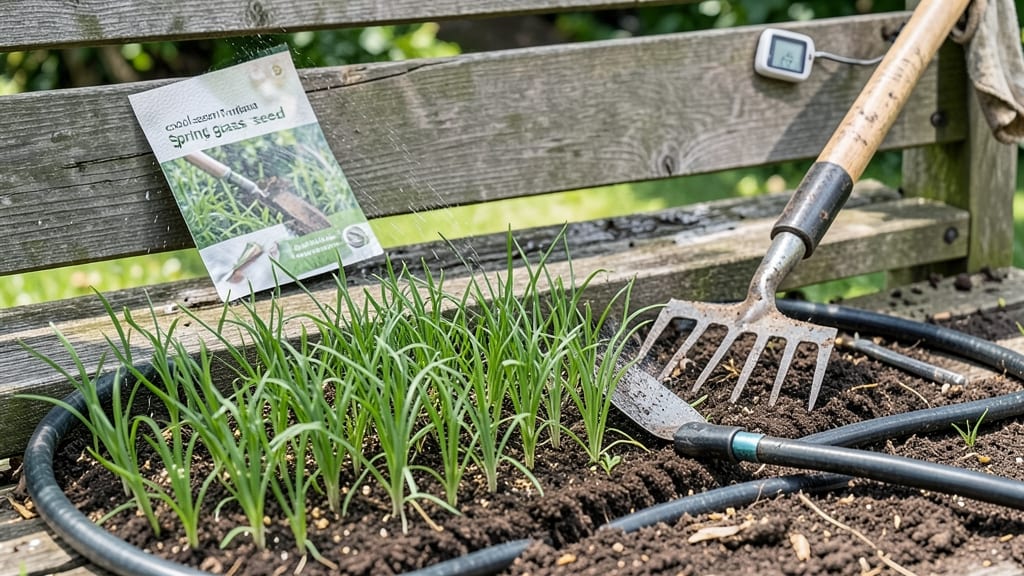
The best time to plant grass in spring depends on soil temperature and your last frost date—wait until the ground warms to 55°F and all frost risk has passed for fast germination.
Struggling to decide when to plant grass in spring? Planting too early can leave seedlings vulnerable to frost, while waiting too long risks summer heat stress—here’s how to time it perfectly for lush, fast-growing grass.
In Zone 6a, aim for early April, when soil temperatures consistently stay above 50°F. Cool-season grasses like fescue thrive in these conditions, while warm-season types should wait until late spring when the ground is warmer.
Below, I’ll break down the exact soil temperatures to watch for, how to test them, and the best planting window for your region—plus 5 pro tips to keep your new lawn thriving from day one.
Ideal soil temperature for planting grass in spring (by region)
Timing your grass planting based on soil temperature—not just air temperature—is the secret to fast, healthy root growth. Grass seeds need consistent warmth to germinate, but planting too early risks frost damage, while waiting too long can stress seedlings in summer heat.
The ideal soil temperature range for spring planting is 50°F to 65°F, but regional differences mean your perfect window varies widely.
Northern climates (USDA Zones 3-5) should aim for soil temps between 50°F and 55°F, typically aligning with late April to early May. Southern regions (Zones 7-10) can plant earlier, when soil reaches 55°F to 65°F, often as early as February or March.
Testing your soil temperature accurately is key—here’s how to do it right.
| Region | Ideal Soil Temp | Planting Window | Notes |
|---|---|---|---|
| Northern (Zones 3-5) | 50°F–55°F | Late April–Early May | Wait for last frost date + 4 weeks |
| Midwest (Zones 6-7) | 55°F–60°F | Early April–Mid-May | Cool-season grasses thrive here |
| Southern (Zones 8-10) | 55°F–65°F | February–March | Warm-season grasses prefer this |
| All Regions | Avoid >70°F | Never plant in summer heat | Risk of drought stress |
To test your soil temperature accurately, use a soil thermometer (available for $10–$15). Insert it 4–6 inches deep—the depth where grass roots establish—and check readings in the morning (soil cools overnight).
For a quick DIY method, press your hand into the soil: if it feels warm but not hot, it’s likely in the ideal range.
Cool-season grasses like Kentucky bluegrass and fescue germinate best in 50°F–60°F soil, while warm-season types such as Bermuda and Zoysia prefer 60°F–65°F.
Planting at the lower end of the range (50°F–55°F) gives seedlings time to establish before summer heat arrives, while warmer soil (60°F–65°F) speeds up germination for a quicker green-up.
Regional microclimates can shift your ideal window by 2–4 weeks. For example, coastal areas stay cooler longer, while urban heat islands may warm up faster. Check local weather patterns for 5-day forecasts and aim to plant when nighttime lows stay above 40°F to avoid frost risk.
My personal trick? Use a weather app with soil temp alerts to get notifications when conditions are perfect.
If your soil is too cold, mulch lightly with straw to retain heat without smothering seeds. For soil that’s warming too quickly, shade seedlings with burlap or shade cloth until temps stabilize.
Overheating soil can cause seed desiccation, while cold soil slows germination to a crawl. The goal is consistent warmth, not speed.
One common mistake is relying on air temperature instead of soil temp. A 70°F day might feel warm, but if the soil is still 45°F, seeds won’t sprout.
Always check below the surface. Pro tip: Water your soil the day before testing—moist soil conducts heat better and gives a more accurate reading.
For northern gardeners, consider a spring green-up strategy: plant cool-season grasses in early spring (as soil warms) and warm-season grasses in late spring/early summer (when soil hits 65°F+). This two-phase approach ensures year-round coverage. Southern garden
How to choose the perfect planting window based on grass type and climate
Choosing the right time to plant grass in spring depends entirely on your grass type and local climate. Cool-season grasses like Kentucky bluegrass and fescue thrive in milder temperatures, while warm-season varieties such as Bermuda and Zoysia need heat to establish strong roots.
Timing isn't one-size-fits-all—your last frost date and soil temperature are critical factors.
For cool-season grasses, aim to plant 4-6 weeks before your last frost date. This gives seedlings time to germinate before winter sets in. In contrast, warm-season grasses should wait until after the soil warms to 65°F+, typically mid-to-late spring.
Skipping this step can lead to weak growth or even seed failure due to temperature mismatches.
Frost risk is your biggest enemy in spring planting. A late frost can kill young seedlings, so check your local frost dates and adjust your schedule. Use a soil thermometer to confirm temperatures—50°F–65°F is ideal for cool-season grasses, while warm-season varieties need 65°F–75°F for optimal root development.
| Grass Type | Best Planting Window | Soil Temp Requirement | Frost Risk | Post-Planting Care |
|---|---|---|---|---|
| Cool-Season (Kentucky Bluegrass, Fescue) | 4-6 weeks before last frost (early spring) | 50°F–65°F | High (avoid frost exposure) | Light mulch, consistent watering |
| Warm-Season (Bermuda, Zoysia) | After soil reaches 65°F+ (late spring) | 65°F–75°F | Low (heat-tolerant) | Deep watering, slow-release fertilizer |
Once you’ve picked your planting window, soil preparation is key. Loosen the top 4–6 inches of soil to improve aeration and drainage. For cool-season grasses, apply a starter fertilizer with high phosphorus to encourage root growth.
Warm-season grasses benefit from a balanced fertilizer once established, but avoid over-fertilizing early—it can burn tender seedlings.
After planting, watering schedules shift based on grass type. Cool-season grasses need daily light watering to keep soil moist but not soggy, while warm-season varieties thrive with deep, infrequent watering once roots establish. Always water in the early morning to reduce fungal risks and maximize absorption.
Adjust your planting timeline if your region experiences unpredictable weather. For example, if late frosts are common, delay cool-season planting until temperatures stabilize. Conversely, if summer heat arrives early, prioritize shade cloth for warm-season grasses to protect young plants from stress.
With the right timing and care, your lawn will establish strong roots and thrive all season long. 🌱