
Flowers
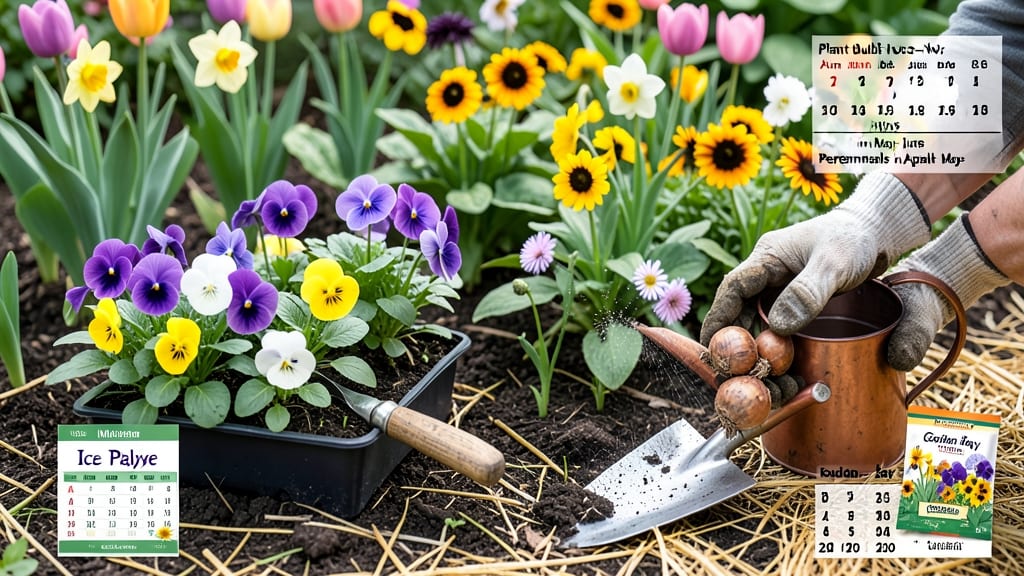
The best time to plant flowers in Michigan depends on your hardiness zone and the type of blooms you’re dreaming of 🌸—but getting it right means vibrant gardens from spring to fall.
Michigan’s unpredictable spring and summer seasons can make flower gardening a guessing game—plant too early, and frost ruins your blooms; too late, and you miss peak flowering. But with the right timing, your garden can burst into color year after year.
For most Michigan gardeners in zones 5b-6b, the ideal window is after the last frost in late April to early June for annuals and perennials, while bulbs like tulips can go in as early as March. Fall planting in September is also a smart move for cool-season bloomers.
Below, I’ll break down the exact planting calendar by zone, the flowers that thrive in Michigan’s climate, and pro tips to keep your garden blooming all season long—no frost surprises included.
Michigan planting zones explained: when to plant flowers by hardiness Zone
Michigan spans USDA Hardiness Zones 5a through 6b, meaning gardeners must adjust planting times based on their specific region. The Upper Peninsula (Zone 5a-5b) faces colder springs, while the Lower Peninsula (Zone 5b-6b) enjoys slightly warmer conditions.
Understanding these zones helps you avoid frost damage and maximize bloom time for your favorite flowers.
Your planting window hinges on last-frost dates, which vary dramatically across the state. Southern Michigan (like Detroit) typically sees its last frost by April 15-20, while northern areas (like Traverse City) may wait until May 1-10. Always check local Michigan State University Extension resources for real-time updates.
Microclimates within zones matter too. A south-facing slope warms faster than a north-facing yard, allowing earlier planting. Urban areas may also experience heat islands, pushing planting dates slightly earlier than rural zones.
Annual flowers like petunias and marigolds thrive when planted 2-4 weeks after your last frost, while perennials (e.g., coneflowers, black-eyed Susans) should go in the ground in early spring or fall for best root establishment. Bulbs like tulips can be planted in fall (October-November) for spring blooms.
Here’s a quick reference for Michigan’s planting zones and ideal flower-planting windows:
| Zone | Avg. Last Frost | Best Planting Window | Ideal Flowers |
|---|---|---|---|
| 5a (Upper Peninsula) | May 1-10 | Late May - Early June (annuals); September (fall perennials) | Tulips, Peonies, Hardy Geraniums |
| 5b (Northern Lower Peninsula) | April 20-May 1 | Early May - Mid-May (annuals); Late August (fall bulbs) | Dahlias, Snapdragons, Native Wildflowers |
| 6a (Southern Lower Peninsula) | April 10-15 | Mid-April - Early May (cool-season flowers); September (fall planting) | Petunias, Zinnias, Cosmos |
| 6b (Southeast Michigan) | April 5-10 | Late March - Early April (hardy flowers); October (bulbs) | Tulips, Crocuses, Pansies |
For Zone 5a gardeners, wait until soil temperatures reach 50°F before planting tender annuals like impatiens or vinca. In Zone 6b, you can start cool-season flowers (e.g., pansies, snapdragons) as early as late March under row covers to extend your blooming season.
Adjust for microclimates: If your yard has a sunny, sheltered spot, you might plant 1-2 weeks earlier than the zone average. Conversely, low-lying or shady areas may need a 2-week delay to avoid frost damage.
Fall planting is another strategy for Michigan gardeners. Perennials like asters and chrysanthemums thrive when planted in September, giving roots time to establish before winter. Bulbs like tulips and daffodils should be in the ground by early October in most zones.
Use frost dates as a guide, not a rule. Always monitor weekly forecasts and be ready to cover young plants with frost cloth if late frosts threaten. With the right timing, your Michigan garden can burst into color from spring tulips to fall mums.
🌷
Best flowers to plant by season in Michigan: month-by-month guide
Michigan’s variable climate demands precise timing for flower planting. Whether you’re a beginner or seasoned gardener, knowing the optimal months for each flower type ensures vibrant blooms from spring through fall. Let’s break it down by season, including specific varieties that thrive in Michigan’s USDA Zones 5b-6b.
Spring kicks off with cool-season flowers like tulips and daffodils, while summer favors heat-loving annuals such as petunias and zinnias. Fall planting isn’t just for bulbs—cool-loving varieties like pansies and snapdragons also shine. Below, I’ve curated a month-by-month schedule with care tips to maximize your garden’s potential.
- 1 March: Plant spring-blooming bulbs (tulips, daffodils) and hardy perennials like peonies. Soil temps should be 40-50°F.
- 2 April: Start annuals indoors (petunias, geraniums) and plant cool-tolerant veggie flowers (nasturtiums, pansies) after last frost risk (mid-April in most regions).
- 3 May: Transplant heat-loving annuals (marigolds, zinnias) and warm-season perennials (black-eyed Susans). Soil should be 60°F+.
- 4 June: Add succession plants (cosmos, sunflowers) and dahlias (after soil warms). Mulch to retain moisture.
- 5 September: Plant fall-blooming bulbs (crocuses, hyacinths) and cool-season annuals (pansies, stock). Ideal for USDA Zone 6b gardeners.
- 6 October: Focus on hardy perennials (lavender, sedum) and winter interest plants (ornamental kale). Stop planting by early October to avoid frost damage.
For Michigan’s northern regions (e.g., USDA Zone 5a), delay planting until 2-3 weeks later than southern areas. Always check your local frost dates—the Michigan State University Extension provides updated forecasts. Succession planting in June and July keeps your garden blooming continuously.
Pro tip: Use row covers for early spring plantings to protect tender blooms from late frosts. And don’t forget to water deeply after planting—this encourages strong root growth. With this schedule, your garden will be a nonstop floral show from March through October! 🌷
Need more details? My next section covers pro tips to extend Michigan’s flower season, including how to beat frost and heat for even longer blooms. Stay tuned! ✂️