
Plants
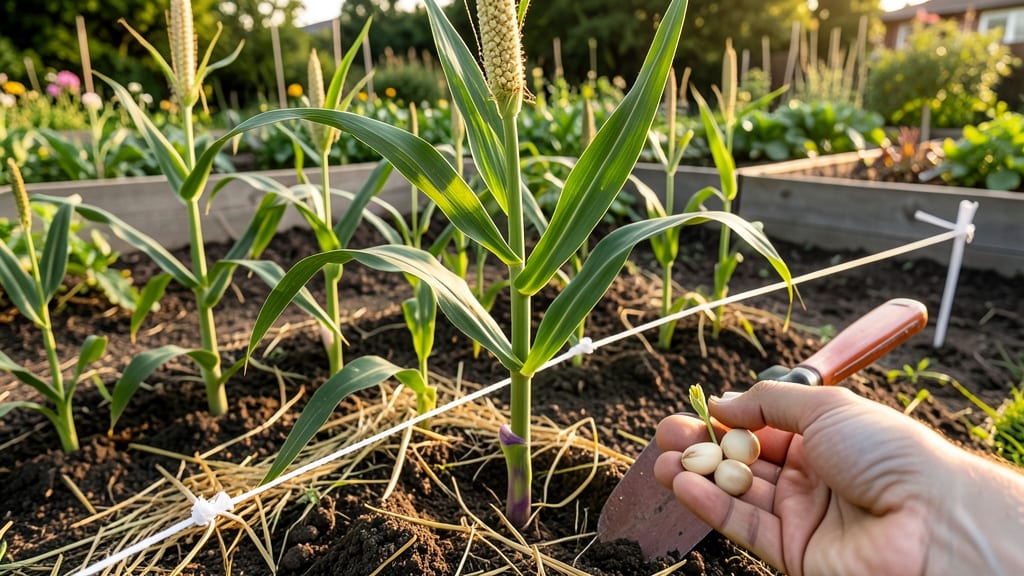
Planting corn in Alabama at the right time means the difference between a towering 🌽 harvest and a sad, stunted garden flop.
Alabama’s warm climate and long growing season make it ideal for corn—but planting too early or late can mean the difference between a bumper crop and a total flop. Timing is everything, especially in USDA Zones 7b-8a, where frost dates shift dramatically by region.
For most of the state, your best window is mid-April to early June, once soil temperatures hit a steady 60°F and the last frost has passed.
But in North Alabama, where chilly nights linger, you might need to wait until early May, while South Alabama gardeners can start as early as late March.
Below, I’ll break down the exact planting dates by region, soil prep tips to get your corn off to a strong start, and how to stretch your harvest season with smart spacing and succession planting.
Best planting dates for corn in Alabama by USDA Zone 7b-8a
Alabama’s USDA Zones 7b-8a offer perfect conditions for growing sweet corn and field corn, but timing is critical. Plant too early, and frost will kill tender seedlings.
Wait too long, and you’ll miss the harvest window before fall frost. The key is understanding your region’s last frost dates and soil temperature thresholds.
In North Alabama (e.g., Huntsville, Birmingham), the average last frost date falls between March 15 and April 1. Meanwhile, South Alabama (e.g., Mobile, Dothan) enjoys an earlier frost-free season, with last frost dates as early as February 28.
Corn thrives when soil temperatures reach 50°F+, but ideal planting occurs when soils warm to 60°F+.
Here’s how to align your planting with Alabama’s microclimates and frost-free windows:
| Region | Last Frost Date | Ideal Planting Window | Soil Temp Threshold | First Harvest Window |
|---|---|---|---|---|
| North Alabama (Huntsville, Birmingham) | March 15–April 1 | April 15–May 15 | 60°F+ (soil) | Late July–Early September |
| Central Alabama (Montgomery, Auburn) | March 1–March 15 | March 30–April 30 | 55°F+ (soil) | Early July–Late August |
| South Alabama (Mobile, Dothan) | February 28–March 15 | March 15–April 15 | 50°F+ (soil) | Late June–Early August |
| Summer Succession Planting (All Regions) | N/A | June 1–July 1 (for late harvests) | 60°F+ (soil) | September–October |
For North Alabama, aim to plant sweet corn varieties like Silver Queen or Peaches and Cream between April 15 and May 15. These dates ensure seedlings emerge when soil temperatures are consistently above 60°F, reducing the risk of soil-borne diseases and seed rot.
Use a soil thermometer to confirm—corn roots struggle in cooler soils.
In South Alabama, you can start as early as March 15 for early-maturing varieties like Golden Bantam. However, avoid planting before February 28, even in Mobile, as late frosts can still occur.
If you’re growing field corn for livestock feed, extend planting into early June for a late-season harvest.
Pro tip: Succession planting every 2 weeks after your initial date ensures a continuous harvest. For example, if you plant your first batch on April 15, follow up with another on May 1 and May 15 to stagger your yield through September.
This works especially well in USDA Zone 8a, where the growing season stretches longer.
Watch for soil moisture during germination—corn seeds need consistent dampness but avoid waterlogged conditions. If your area experiences drought stress in late spring, prioritize irrigation for 3–4 weeks post-planting to support root establishment. Mulching with straw or black plastic helps retain moisture and warmth.
Finally, keep an eye on local weather forecasts in the weeks leading up to planting. A cold snap in early April can delay planting, while unseasonably warm temperatures might prompt earlier soil warming. Adjust your schedule accordingly to maximize your corn yield and avoid wasted seeds.
With these regional guidelines and soil temperature checks, you’ll be well on your way to a thriving corn patch—whether you’re growing sweet corn for the table or field corn for livestock. Happy planting! 🌽
How to adjust corn planting for Alabama’s microclimates and soil types
Alabama’s diverse soil types and microclimates mean your corn planting strategy should adapt to your specific location. Whether you’re dealing with clay-heavy soils in North Alabama or sandy loam near the Gulf Coast, adjustments can make all the difference.
Urban gardeners with limited space also need tailored solutions, like container planting or vertical trellises for dwarf varieties.
One of the biggest challenges is soil drainage. Clay soils hold moisture too long, leading to root rot, while sandy soils dry out quickly, stressing young plants. I’ve found that amending clay with sand and compost (50/50 mix) and adding organic mulch to sandy soils helps balance moisture retention.
For urban gardeners, raised beds with a 50/50 soil mix of garden soil and compost work wonders.
To extend your growing season, I recommend using black plastic mulch to warm the soil faster in spring or row covers to protect young plants from late frosts. In North Alabama, where frosts linger until mid-April, row covers can push planting back by 2-3 weeks.
Meanwhile, in South Alabama, where warm weather arrives earlier, you can plant sweet corn as early as late February under row covers.
Choosing the right corn type is crucial. Sweet corn (like 'Peaches and Cream') matures faster, typically in 60-80 days, making it ideal for early spring or late summer plantings. For a fall harvest, field corn (like 'Country Gentleman') takes 90-120 days but thrives in Alabama’s extended growing season.
I’ve had success with succession planting: sow sweet corn every 2 weeks from April to June for continuous harvests.
For urban gardeners, consider vertical growing with trellises or tall cages. Dwarf varieties like 'Tom Thumb' grow just 3-5 feet tall, perfect for small spaces. Just ensure your trellis is 6 feet tall to support the plants’ weight.
In my own backyard, I’ve used bamboo stakes and twine to create a simple trellis, saving space while maximizing yield.
Finally, don’t underestimate the power of season extension tools. In North Alabama, where frost can sneak in unexpectedly, floating row covers can protect young plants until soil warms.
For South Alabama, where heat is the bigger concern, shade cloth during peak summer months prevents stress. With these adjustments, you can grow corn successfully across Alabama’s diverse landscapes.