
How To
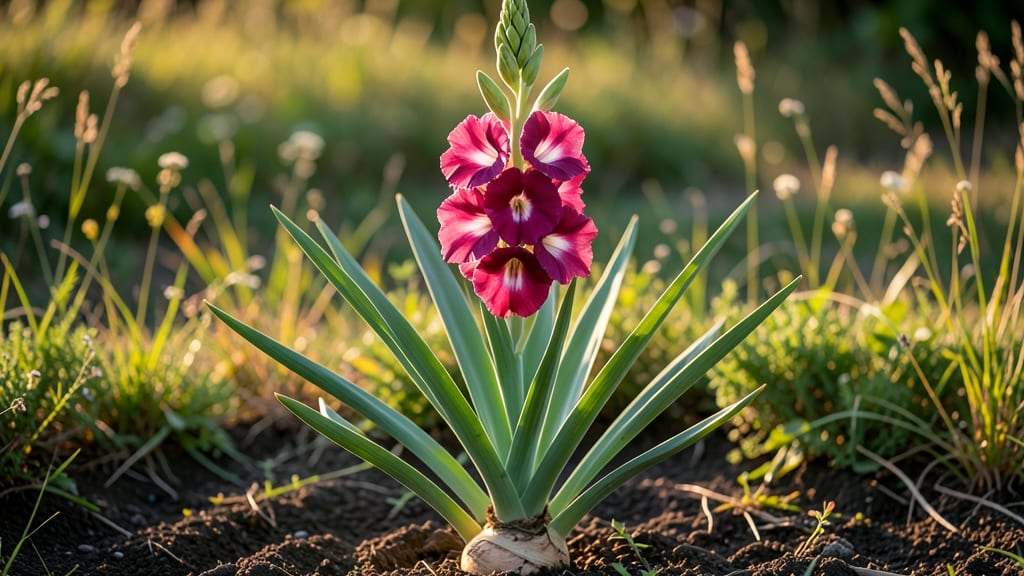
Gladiolus plants grow between 2 and 5 feet tall, depending on the variety and care you provide—making them a dramatic statement in any garden.
If you’ve ever wondered why your gladiolus flowers seem to reach different heights—or how to encourage them to grow taller—you’re in the right place. These striking blooms can tower over your garden, but their height depends on variety, care, and a few surprising secrets most gardeners miss.
Some varieties, like the dwarf types, stay compact at just 1 to 2 feet, while others, such as the standard cultivars, can shoot up to 5 feet or more.
The key to unlocking their full potential lies in soil quality, sunlight, and proper spacing—all factors you can control to get the tallest, healthiest blooms.
In this guide, I’ll break down the height ranges by variety, share the 5 key factors that determine how tall your gladiolus grow, and reveal common mistakes that stunt their growth—so you can enjoy those show-stopping flowers at their peak height.


Gladiolus height ranges by variety: from compact to towering giants
Gladiolus plants are famous for their dramatic vertical growth, but did you know their height can vary from just 1 foot to over 5 feet depending on the variety?
Choosing the right gladiolus cultivar is key if you want to create stunning height contrasts in your garden or fit them into tight spaces. Some varieties stay compact and bushy, while others grow tall enough to rival sunflowers.
As a gardener who’s experimented with everything from dwarf gladiolus to giant varieties, I’ve learned that height isn’t just about aesthetics—it also affects how you plant, stake, and care for your glads.
Let’s explore the height ranges of popular gladiolus varieties and what makes them thrive at their best heights.
| Variety | Height Range | Flower Color | Best For |
|---|---|---|---|
| Picasso | 18–24 inches | Orange/Red | Border gardens, containers |
| Green Star | 24–30 inches | White with green stripes | Cut flowers, cottage gardens |
| Black Star | 36–48 inches | Deep purple-black | Dramatic focal points |
| Attraction | 30–42 inches | Pink/White | Mixed borders, bouquets |
| Green Wave | 24–36 inches | Green/White | Wildflower gardens |
| White Prosperity | 42–54 inches | Pure white | Elegant arrangements |
The Picasso gladiolus, for example, stays under 2 feet tall and is perfect for container gardening or edging flower beds. Its vibrant orange-red blooms add a pop of color without overwhelming smaller spaces.
Meanwhile, the Black Star variety can reach 4 feet or taller, making it ideal for creating a dramatic vertical accent in your garden.
If you’re planning a cut-flower garden, the Attraction series (30–42 inches) strikes a balance—tall enough for bouquets but not so imposing that they need heavy staking. For a whimsical, natural look, the Green Wave variety with its green-and-white striped blooms grows 24–36 inches and blends beautifully with wildflowers.
For maximum height, the White Prosperity gladiolus can soar to 5 feet when given ideal conditions. This variety thrives in full sun and rich, well-draining soil, which is why I always plant it in the sunniest spot of my garden.
The trade-off? These giants need sturdy stakes or supports to prevent them from flopping over in wind or rain.
When selecting varieties, consider your garden layout and maintenance preferences.
Taller gladiolus varieties like Black Star or White Prosperity require more space between plants (at least 6 inches apart) to avoid overcrowding, while dwarf varieties like Picasso can be planted just 4 inches apart for a dense, colorful display.
Pro tip: If you’re short on space but love tall glads, try interplanting dwarf varieties in front of taller ones. For example, Picasso in front of Black Star creates a stunning height gradient that draws the eye upward.
Just be sure to space them properly so the smaller glads don’t get shaded out.
One mistake I’ve seen new gardeners make is assuming all gladiolus grow to the same height. In reality, cultivar selection is just one piece of the puzzle—soil quality, sunlight, and care also play huge roles in determining how tall your glads will grow.
For instance, poor soil drainage can stunt growth, while over-fertilizing with nitrogen can lead to lush foliage but fewer flowers.
Next time you’re browsing gladiolus corms, take note of the height ranges and imagine how they’ll fit into your garden. Whether you’re aiming for compact elegance or towering drama, there’s a
5 Key factors that determine gladiolus height (and how to optimize them)
Gladiolus plants can reach stunning heights of 3–5 feet, but their growth potential depends on five critical factors. As someone who’s grown gladiolus for years, I’ve learned that small adjustments in care can make a massive difference in stem strength and flower height.
Whether you’re aiming for dwarf varieties or towering giants, these science-backed strategies will help you optimize growth without compromising bloom quality.
The right soil conditions are the foundation for tall gladiolus. These plants thrive in well-draining soil with a pH between 6.0–7.0. Compacted or waterlogged soil stunts root development, while loose, sandy loam allows roots to spread deeply—critical for supporting those tall, heavy blooms.
I always amend my garden beds with compost and perlite to create the perfect balance.
One of the biggest misconceptions about gladiolus height is that it’s purely genetic. While variety selection plays a role—dwarf types like ‘Picturess’ stay under 2 feet, while ‘Green Star’ can hit 5 feet—your care routine determines whether a plant reaches its full potential.
For example, my ‘Black Star’ gladiolus consistently hits 4.5 feet because I follow these exact steps.
Proper staking is often overlooked but critical for tall varieties. Without support, stems can flop under their own weight, leading to broken blooms or bent stems. I stake my gladiolus at planting time, not after they’ve grown tall.
This gives roots time to anchor while the stem strengthens. For extra support, I weave in jute twine as the stems grow, adjusting it gently to avoid restricting growth.
Another game-changer is fertilizer timing. I avoid heavy nitrogen feeds once the flower spikes emerge—it diverts energy from blooms to foliage. Instead, I switch to a phosphorus-rich fertilizer (like 5-10-10) when the first buds form.
This shift ensures your gladiolus puts energy into tall, sturdy stems and vibrant blooms rather than leafy growth. Think of it as a growth hack for height.
Finally, don’t forget that consistency is key. Gladiolus are sensitive to moisture fluctuations—too much or too little water can cause stems to split or weaken. I check soil moisture by sticking my finger 2 inches deep; if it’s dry, it’s time to water.
This method helps me maintain even moisture levels without overwatering, which is crucial for tall, healthy spikes.
By mastering these five factors, you’ll transform your gladiolus from average-height blooms to showstopping garden giants. Start with your soil, then focus on sunlight, water, fertilizer, and staking—your tallest gladiolus yet are just a season away! 🌸