
How To
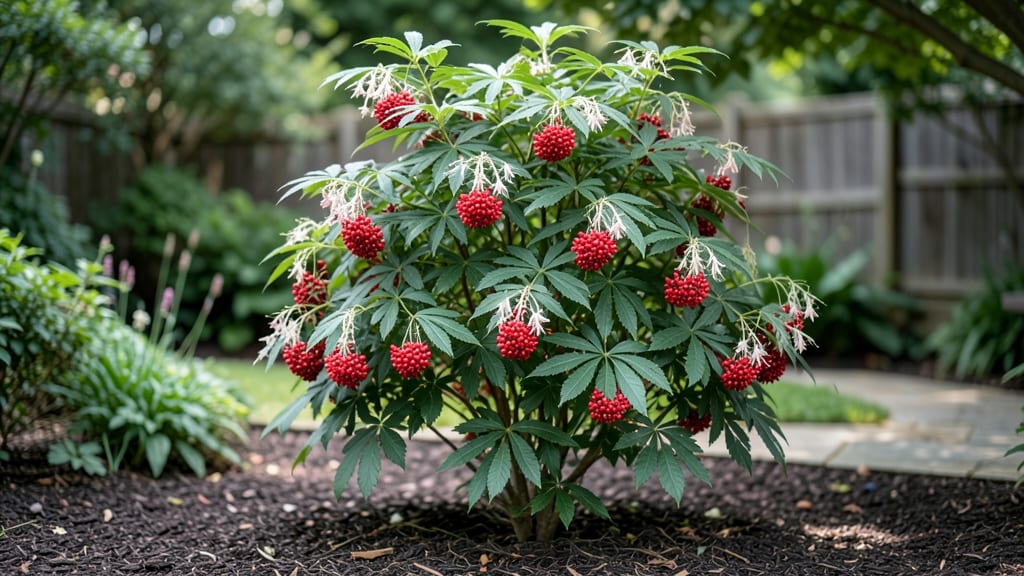
How tall does Nandina grow? The answer depends entirely on the variety you choose, with heights ranging from just 1 foot to over 10 feet—making it a versatile shrub for borders, focal points, or even container gardens.
If you're dreaming of adding Nandina to your garden but unsure whether it will tower over your patio or stay neatly contained, you're not alone. This versatile shrub offers dramatic height variation, from compact dwarfs to towering giants, making it crucial to choose the right variety for your space.
Most gardeners plant Nandina as a shrub, not grass, and its mature size depends entirely on the cultivar. Dwarf types like 'Fire Power' stay under 2 feet, while standard varieties like 'Gulf Stream' can reach 6 feet or more.
For larger gardens, 'Sienna' or 'Obelisk' can climb to 10 feet or taller.
Below, I’ll break down the height ranges by variety, how to control growth with pruning, and the best compact options for small spaces — so you can pick the perfect Nandina for your yard.


Nandina height variations: dwarf vs. standard vs. giant varieties explained
Nandina, often called heavenly bamboo, is a versatile shrub that can fit nearly any garden space thanks to its wide range of mature heights. Whether you need a compact accent plant for containers or a tall privacy screen, there's a Nandina variety to match.
Understanding these height variations helps you plan spacing, design layouts, and avoid overcrowding in your landscape.
The key to selecting the right Nandina lies in its mature height, which can vary from just 1 foot tall to over 10 feet. Growth rates also differ, with some varieties maturing in 3 years while others take 5-7 years to reach full size.
Let's explore the three main categories: dwarf, standard, and giant varieties, so you can make an informed choice for your garden.
🌱 Comparison Table: Below is a quick reference for Nandina varieties by height category, including their mature sizes, growth rates, and ideal uses in the landscape.
| Category | Mature Height | Growth Rate | Time to Mature | Best For |
|---|---|---|---|---|
| Dwarf | 1–3 ft | Slow to moderate | 3–5 years | Containers, borders, rock gardens |
| Semi-Dwarf | 3–6 ft | Moderate | 4–6 years | Foundation plantings, hedges, mixed borders |
| Standard | 6–12 ft | Moderate to fast | 5–7 years | Privacy screens, tall hedges, woodland gardens |
Dwarf varieties like 'Fire Power' and 'Gulf Stream' are perfect for small gardens or containers, rarely exceeding 2 feet tall. These compact plants grow at a slow to moderate pace, making them ideal for gardeners who want low-maintenance, long-lived shrubs.
They thrive in partial shade and add vibrant color with their red berries and purple foliage.
Standard varieties, such as 'Nandina domestica' and 'Sienna', reach heights of 6-12 feet, making them excellent choices for privacy screens or backyard focal points. These taller shrubs grow faster than dwarfs, often maturing in 5-7 years.
They require slightly more space but offer year-round interest with their evergreen leaves and winter berries.
For those needing a statement-making shrub, giant varieties like 'Oblongifolia' can surpass 10 feet in height. These varieties grow at a moderate to fast rate and are best suited for large landscapes or as woodland garden accents.
Their height makes them ideal for creating natural barriers or adding vertical interest to shady areas.
When choosing a Nandina variety, consider not just height but also spread and growth habit. Some varieties, like 'Fire Power', stay narrow and upright, while others, such as 'Sienna', develop a broader, bushier form.
Always check the mature spread (typically 3-6 feet wide) to ensure proper spacing in your garden layout.
Another factor influencing height is pruning practices. Regular pruning can encourage bushier growth in taller varieties or keep dwarf types compact. For example, cutting back 1/3 of the plant in early spring can stimulate new growth and maintain desired proportions.
Always use clean, sharp pruners to avoid damaging the plant.
If you're unsure which size to choose, start with a medium-height variety like 'Fire Power' or 'Gulf Stream'. These offer flexibility—they can be pruned to stay small or allowed to grow taller over time.
This approach lets you test how Nandina fits into your garden before committing to a larger variety.
Remember, Nandina's height isn't the only factor to consider. Its colorful foliage, winter berries, and drought tolerance make it a standout choice for nearly any garden. By matching the variety to your space, you'll enjoy this low-maintenance shrub for decades to come. 🌿
How to control Nandina growth: pruning tips for managing height
If your Nandina is growing taller than planned, don’t panic—pruning is the key to managing its height while keeping it healthy. This evergreen shrub grows 3 to 12 feet tall depending on the variety, but with the right techniques, you can shape it to fit your garden perfectly.
The best time to prune is late winter or early spring, just before new growth begins.
Start by assessing your Nandina’s current height and desired shape. If you want a compact, bushier look, focus on trimming back overgrown stems to encourage lateral branching.
For taller varieties, strategic pruning can control vertical growth while maintaining a balanced silhouette. Always use clean, sharp pruners to avoid damaging the plant.
Prune before buds swell (February-March) to avoid cutting off new growth. This timing ensures you shape the plant without sacrificing its winter interest.
Look for tall, leggy stems or branches that spoil the shape. These are prime candidates for trimming to encourage bushier growth.
Make cuts just above a leaf node (where leaves or branches grow) at a 45-degree angle. This promotes faster healing and new growth.
Remove 1/3 of the oldest stems at the base to improve airflow and sunlight penetration. This rejuvenates the plant and prevents disease.
Trim only dead or damaged branches in summer. Avoid heavy pruning, as it can stress the plant and reduce winter hardiness.
For compact varieties like 'Fire Power' or 'Gulf Stream,' focus on light pruning to maintain their 1-3 foot height. These types grow slowly, so minimal trimming—just enough to shape—will keep them tidy.
In contrast, taller varieties (like 'Sensation' or 'Oblongifolia') may need annual height control to prevent them from overshadowing other plants.
After pruning, apply a balanced fertilizer (like 10-10-10) to help the plant recover and encourage vigorous new growth. Water deeply to reduce stress, especially if you’ve trimmed more than 25% of the foliage. Mulch around the base to retain moisture and protect roots during the growing season.
With consistent pruning, your Nandina will stay within your desired height limits while thriving. Remember, the goal is to shape, not shear—so focus on creating a natural, balanced look that complements your garden’s design. Happy pruning! ✂️🌿