How To
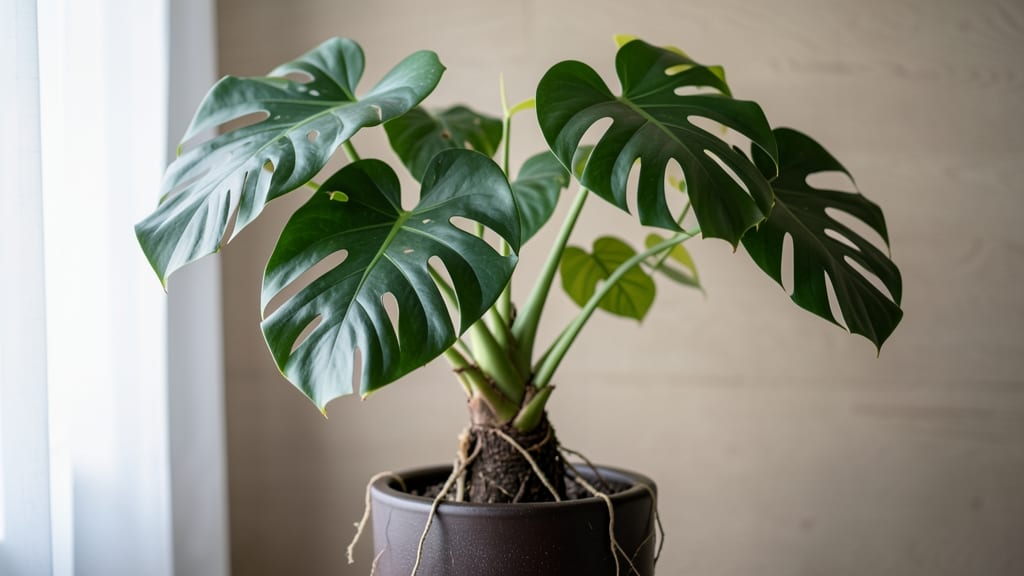
A monstera can grow up to 20 feet tall indoors or tower over 40 feet outdoors in the right conditions 🌿 — but most of us are dealing with a 6-foot monster in our living rooms.
If you’ve ever admired a monstera’s lush, split leaves and wondered just how big it can get, you’re not alone — this tropical favorite can become a stunning centerpiece or an unruly giant, depending on where you grow it.
Indoor monstera plants like Monstera deliciosa typically max out at 10 feet with proper care, while outdoor varieties in warmer climates can stretch dramatically taller. The difference comes down to light exposure, pruning habits, and even the specific variety you’re growing.
Below, I’ll break down the height ranges you can expect, how to control growth in small spaces, and the key factors that turn a modest houseplant into a jungle statement piece.


Monstera growth height: indoor vs outdoor size differences explained
Your Monstera deliciosa can transform from a charming tabletop plant to a towering jungle giant—all depending on whether it thrives indoors or outdoors. While indoor monsteras typically stay between 3 to 10 feet, their outdoor cousins can soar to 10 to 20+ feet with the right conditions.
The key difference? Light exposure, space, and growing environment dramatically impact their growth trajectory.
Outdoor monsteras bask in full tropical sunlight, which fuels rapid vine growth and larger fenestrated leaves. Indoors, they’re limited by artificial lighting and pot sizes, keeping them more manageable.
Even within the same species, factors like variety (adansonii vs. albo variegata) and pruning habits can shift their height by several feet over time.
Light is the #1 factor controlling monstera height. Indoors, low-light conditions force plants to stretch toward light, creating leggy, weak stems with smaller leaves. Outdoors, direct sunlight triggers faster photosynthesis, resulting in thicker stems and larger leaves.
Even a single east-facing window can double an indoor monstera’s growth rate compared to a dim corner.
Pot size also plays a surprising role. Root-bound monsteras grow upward faster to escape cramped conditions, while those in oversized containers focus energy on foliage instead of height. I’ve seen 5-gallon pots produce 8-foot monsteras in just 3 years, while 10-inch pots keep them under 5 feet.
Always choose a pot 1–2 inches larger than the root ball to balance growth.
Species variations matter too. The Monstera adansonii, or Swiss cheese plant, rarely exceeds 6 feet indoors due to its naturally compact growth habit. Meanwhile, the Monstera albo variegata can hit 12 feet indoors if given ideal conditions, thanks to its vigorous growth.
Variegated varieties often grow 10–20% slower due to energy spent on leaf patterns, but their height potential remains high.
Temperature swings outdoors can also stunt growth. Monsteras thrive in USDA Zone 10–12, where they grow year-round. In cooler climates (Zones 9–10), they may slow dramatically in winter, adding only 6–12 inches during colder months.
I’ve noticed my outdoor monstera in Zone 9b grows 2 feet taller per summer but barely inches in winter.
Pruning is your secret weapon for controlling height. Regularly trimming overlong vines encourages bushier growth, while pinching back new shoots keeps monsteras under 6 feet indoors. I prune mine every 6–8 weeks to maintain a 4-foot height, using clean scissors just above a leaf node.
This method also boosts leaf production by redirecting energy.
Myth-busting time: Monsteras don’t grow indefinitely in pots. Without repotting, their roots circle and growth stalls after 3–4 years. The #1 mistake I see is leaving monsteras in small decorative pots—this forces them to grow upward instead of outward.
Upgrade to a 12-inch pot every 2–3 years to maintain healthy height control.
For outdoor monsteras, winter care is critical. In Zones 9–10, move potted monsteras indoors before 40°F nights or wrap them in burlap. Left outside, they’ll drop leaves and grow only 1–2 feet the next season.
I’ve had outdoor monsteras recover fully after winter dormancy, but their height gains slow by 50% until spring.
Ready to harness this growth potential? Start by placing your monstera near a bright, indirect light source and upgrade its pot size. With the right care, you’ll see visible height gains in just 3 months—whether you want a compact centerpiece or a room-f
How to control monstera growth height for small spaces
Living in a small apartment doesn’t mean you have to give up your love for monstera plants! These tropical beauties can easily become space hogs if left unchecked, but with the right techniques, you can keep them compact and manageable.
The key is understanding how monstera vines grow and using simple pruning and training methods to control their height.
Monstera deliciosa naturally grows 6-20 feet tall indoors when given full run, but with strategic pruning and support, you can limit it to just 3-5 feet—perfect for shelves or countertops. The secret lies in targeted pruning, trellis training, and choosing the right varieties that stay smaller naturally.
- 🌱 Prune at the right time: Trim back leggy stems in spring or early summer when new growth is active. Use clean scissors to cut just above a leaf node to encourage bushier growth.
- 🪴 Use a trellis or moss pole: Guide vines upward with a moss-covered pole or trellis to limit horizontal sprawl. This also helps leaves fenestrate faster (develop those iconic splits!).
- ✂️ Root prune when repotting: Trim 30-50% of roots during repotting to slow height growth. This redirection of energy promotes fuller, bushier growth instead of vertical stretching.
- 🌿 Choose compact varieties: Opt for Monstera 'Thai Constellation' or 'Albo Variegata'—both stay smaller and grow more slowly than standard deliciosa.
Another effective trick is light management. Monsteras grown in lower light naturally grow slower and stay shorter. Place your plant 3-6 feet from a north or east-facing window to slow vertical growth while still keeping the leaves vibrant.
Just avoid dark corners, or you’ll end up with small, pale leaves and weak stems.
For extra-compact growth, try the "pinch and redirect" method. When new growth reaches 6-8 inches, pinch off the tip to encourage branching. Redirect the vine along a horizontal trellis instead of letting it grow straight up—this creates a bushier, wider plant that fits better in small spaces.
Remember, consistency is key. Prune regularly (every 3-6 months), rotate your plant weekly for even growth, and always use well-draining soil to prevent root stress. With these techniques, your monstera will stay manageable and stunning without taking over your living room!