
How To
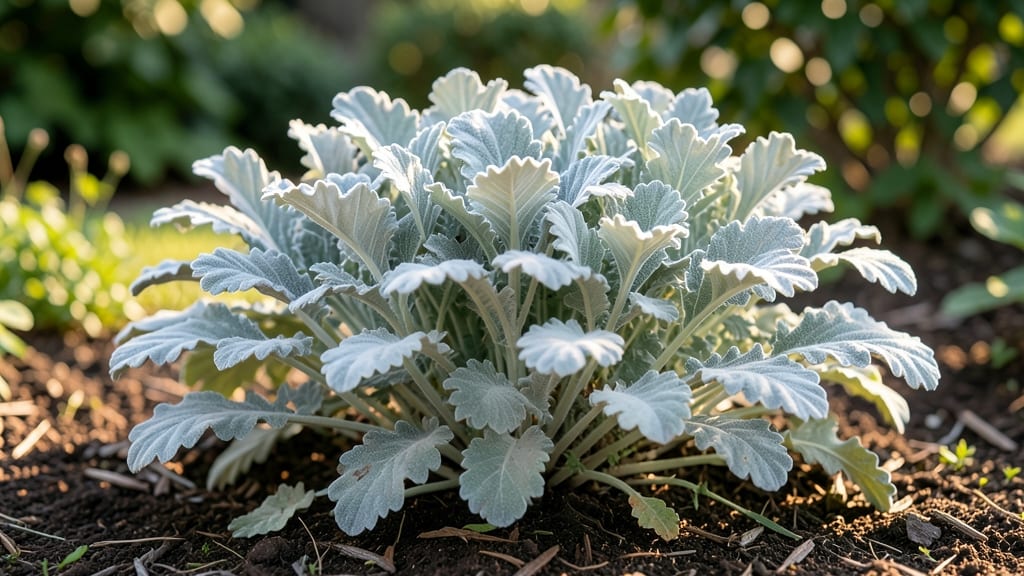
How tall does Dusty Miller grow? Depending on the variety and growing conditions, it reaches a mature height of 1 to 2 feet, making it a versatile choice for both small gardens and larger borders.
If you're wondering whether Dusty Miller will dwarf your garden or stay compact, its height depends entirely on the variety and growing conditions. Some types like 'Silver Spun' stay under 12 inches, while others like 'Silver King' can reach nearly 3 feet with proper care.
In USDA Zone 6a, where spring planting begins in March–April, Dusty Miller thrives in full sun and well-drained soil. Pruning regularly helps control height and encourages bushier growth, which is especially useful for container gardening.
Below, I’ll break down the height ranges by popular varieties, how sunlight and soil affect growth, and tips to keep Dusty Miller 🌿 at your desired size—whether you want a low border or a striking vertical accent.


Dusty Miller height by variety: compact vs. tall cultivars explained
If you're planning your garden layout, knowing how tall Dusty Miller grows is crucial. This silvery foliage plant comes in stunning varieties, but their mature heights can vary dramatically—from under 12 inches to over 3 feet.
The right variety can transform your garden from a cluttered mess to a structured, eye-catching display.
Dusty Miller's height isn't just about aesthetics—it affects airflow, sunlight exposure, and even pest control. Some compact varieties thrive in containers or window boxes, while taller types create stunning vertical accents in borders.
Let's explore the most popular cultivars and their growth patterns to help you make the perfect choice for your space.
| Variety | Mature Height | Spread | Growth Habit | Best For |
|---|---|---|---|---|
| 'Silver Spun' | 12–18 inches | 12–18 inches | Compact, mounding | Containers, window boxes, rock gardens |
| 'Walker’s Low' | 18–24 inches | 24–30 inches | Semi-prostrate, spreading | Ground cover, borders, slopes |
| 'Silver King' | 24–36 inches | 24–30 inches | Upright, bushy | Back of borders, mixed beds |
| 'Silver Queen' | 30–36 inches | 24–30 inches | Tall, upright | Tall borders, focal points |
| 'Silver Brocade' | 12–15 inches | 12–18 inches | Dwarf, mounding | Containers, rooftop gardens |
| 'Silver Carpet' | 6–12 inches | 12–18 inches | Prostrate, spreading | Ground cover, edging |
My personal favorite for small spaces is 'Silver Brocade', which stays under 15 inches tall but packs a punch with its silvery foliage. This variety is perfect if you're working with limited vertical space, like a balcony or patio garden.
Its mounding growth habit makes it ideal for containers where you want to create a full, lush look without sacrificing floor space.
On the other end of the spectrum, 'Silver Queen' can reach up to 3 feet, making it a standout choice for tall borders or as a dramatic backdrop for shorter perennials.
If you're designing a mixed border, this variety adds vertical interest and contrasts beautifully with deep purple or blue flowers. Just be prepared to provide sturdy support if your garden gets windy.
For gardeners who love ground cover, 'Silver Carpet' is a game-changer. This variety stays under 12 inches tall but spreads aggressively, creating a stunning silver carpet that suppresses weeds and adds texture to your landscape.
It's especially effective on slopes or areas where you want to prevent erosion while adding visual appeal.
One common misconception is that all Dusty Miller varieties grow the same height. In reality, the difference between 'Silver Spun' (12–18 inches) and 'Silver Queen' (30–36 inches) is dramatic. When planning your garden, consider not just the height but also the spread of each variety.
Some, like 'Walker’s Low', can spread up to 30 inches, making them ideal for filling in gaps in borders or along fences.
If you're unsure which variety to choose, start with 'Silver King'—it's a versatile middle-ground option that works well in both containers and garden beds. Its 24–36 inch height gives you flexibility to use it as a focal point or as part of a layered planting scheme.
Plus, it's drought-tolerant once established, making it low-maintenance for busy gardeners.
Pro tip: Always check the mature height before purchasing, as nurseries sometimes list plants by their first-year growth. A 12-inch Dusty Miller in a pot might grow 24 inches in its second year, so plan accordingly.
If you're using it in containers, leave room for the roots to spread—this plant loves to expand horizontally as much as vertically.
For maximum impact, pair taller varieties like 'Silver Queen' with shorter plants that
How growing conditions affect Dusty Miller height: sun, soil, and pruning tips
Dusty Miller's height isn't set in stone—it's a living response to your garden's conditions. Sunlight exposure, soil quality, and pruning habits can transform a compact 12-inch variety into a leggy 3-foot giant or keep it neatly contained.
Understanding these factors lets you sculpt your Dusty Miller to fit your space perfectly.
The Silver King variety, for example, typically stays between 18-24 inches tall, but in partial shade, it may stretch toward 30 inches. Meanwhile, 'Walker’s Low' stays under 12 inches unless you neglect pruning. Your growing conditions are the real height controllers here.
⚠️ Height Shock Alert!
Dusty Miller's mature height can vary by 100% or more based on care. Full sun + rich soil = bushy 18-inch plants. Shade + poor soil = 3-foot leggy monsters. Always prune 1/3 of growth in spring to maintain shape and control height naturally.
Let's start with sunlight, the most dramatic height influencer. Dusty Miller thrives in full sun (6+ hours daily), where it grows 20-30% bushier than in shade. The extra light triggers denser foliage and shorter internodes (the spaces between leaves).
I've seen 'Silver Spun' plants in full sun stay under 16 inches, while identical plants in my morning shade garden stretched to 24 inches.
For soil, well-draining mixes with organic matter (like compost) produce the most compact growth. Heavy clay soils force Dusty Miller to stretch upward, creating those unsightly leggy stems.
Amend your soil with perlite or sand to encourage shorter, stockier plants. I always test my soil's drainage before planting—water shouldn't pool after 2 hours.
Pruning is where you take control. Light pruning (trimming just the tips) encourages bushier growth, while hard pruning (cutting back by 1/3) resets height. My rule: Prune in early spring before new growth starts.
For tall varieties, I also do a mid-summer trim to prevent flopping. Never prune in fall—it stresses the plant before winter dormancy.
One common mistake? Waiting until Dusty Miller becomes overgrown before pruning. By then, the leggy stems won't recover their compact shape. I recommend monthly checks during growing season. For container plants, pinch back the tips when they're 6 inches tall to force bushier growth from the base.
Remember: Dusty Miller's height isn't just about genetics—it's about your daily choices. Give it the right conditions, and you'll get that perfect 18-inch silver cloud instead of a 3-foot weed. Start with full sun, amend your soil, and prune regularly—your garden's height goals are within reach! 🌿