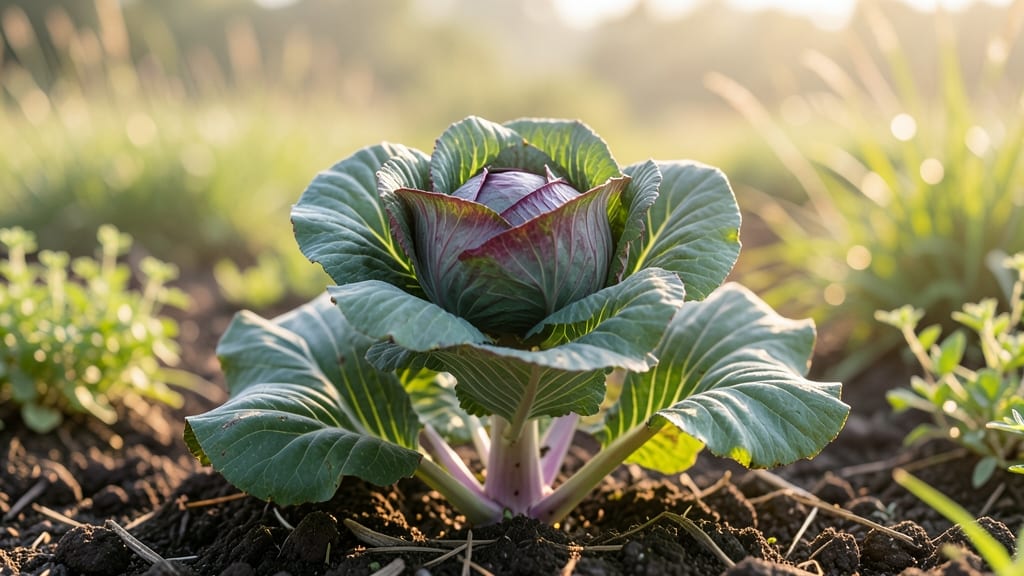
How tall does cabbage grow? It varies between 8 inches and 2 feet, depending on the variety you choose—some stay as low as a dinner plate, while others tower like a small stool.
Planning your garden layout? Knowing how tall cabbage plants grow can mean the difference between a thriving crop and wasted space—especially when some varieties reach waist height while others stay compact.
Standard green cabbage, like 'Golden Acre,' typically reaches 18-24 inches, while dwarf varieties like 'Miniature Peanut' max out at just 8-12 inches. Savoy cabbage, with its crinkled leaves, often grows taller, sometimes nearing 2 feet, so spacing matters.
Below, I break down height ranges by variety, spacing tips to avoid overcrowding, and how to control excessive growth—so you can plan your garden like a pro and maximize every square foot.
📈
Cabbage Growth Timeline
Cabbage height by variety: from dwarf to giant growth charts
When planning your garden, understanding cabbage plant height is key to maximizing space and yield. Some varieties stay compact at just 12 inches tall, while others grow to waist height or taller.
The right spacing ensures strong heads and prevents disease from overcrowding. Let’s break down the height ranges of popular cabbage varieties so you can choose the perfect fit for your garden layout.
Cabbage varieties fall into three main height categories: dwarf (8–12 inches), semi-dwarf (12–18 inches), and standard/tall (18–24+ inches). Dwarf varieties like 'Miniature Peanut' are perfect for containers or small gardens, while tall types like 'Mammoth Red Rock' need ample space to thrive.
Head size also varies—some produce small, dense heads while others grow large, heavy heads that require sturdy stems.
Below is a comparison of 10 common cabbage varieties, including their mature height, head size, and ideal spacing. Use this as your guide to avoid overcrowding and ensure each plant gets the sunlight and nutrients it needs for optimal growth.
| Variety |
Type |
Mature Height |
Head Size |
Spacing (inches) |
Days to Harvest |
| Golden Acre |
Standard |
18–24 inches |
6–8 inches |
24–36 |
75–90 |
| Mammoth Red Rock |
Standard |
24–30 inches |
8–10 inches |
30–36 |
90–100 |
| Savoy King |
Savoy |
18–22 inches |
6–8 inches |
24–30 |
80–90 |
| Miniature Peanut |
Dwarf |
8–12 inches |
3–4 inches |
12–18 |
50–60 |
| Early Jersey Wakefield |
Standard |
16–20 inches |
5–6 inches |
18–24 |
60–70 |
| Red Express |
Standard |
18–22 inches |
6–7 inches |
24–30 |
70–80 |
| Green Express |
Leafy Green |
12–18 inches |
Loose heads |
12–18 |
50–60 |
| Crimson Queen |
Savoy |
20–24 inches |
7–8 inches |
24–30 |
85–95 |
| Tendercrisp |
Semi-Dwarf |
12–16 inches |
5–6 inches |
18–24 |
60–70 |
| Blue Vantage |
Standard |
18–22 inches |
6–7 inches |
How cabbage height affects garden spacing and companion planting
Cabbage height plays a crucial role in garden planning, especially when choosing varieties that fit your space. Dwarf cabbage like 'Miniature Peanut' stays under 12 inches, while giants like 'Mammoth Red Rock' can reach 24+ inches. Proper spacing prevents competition for nutrients and sunlight, ensuring healthy heads.
For compact varieties, maintain 12–18 inches between plants. Taller types need 24–36 inches to avoid overcrowding. This spacing also allows airflow, reducing disease risks like powdery mildew. In small gardens, consider vertical trellises or container growing for space efficiency.
🌱
Key Takeaway: Cabbage Height & Spacing
Height Range
Spacing Needed
8–12" (Dwarf)
12–18"
12–18" (Semi-Dwarf)
18–24"
18–24" (Standard)
24–36"
24+" (Giant)
30–36"
Pro Tip: Use companion plants like dwarf onions or lettuce between rows to maximize space and deter pests.
Companion planting is another way to leverage cabbage height. Tall varieties like 'Mammoth' pair well with low-growing herbs such as thyme or oregano, which benefit from their shade. Short cabbage, however, thrives near carrots or radishes, which don’t compete for vertical space.
Overcrowding is a common issue, especially with giant cabbage. Watch for yellowing leaves or stunted growth—signs your plants need more room. If space is tight, prune outer leaves to redirect energy to head formation, but avoid excessive trimming, which stresses the plant.
In small gardens, use intercropping by planting fast-maturing crops like bush beans between cabbage rows. This fills gaps while the cabbage matures. For container growing, choose dwarf varieties and ensure pots are at least 12 inches deep to accommodate root growth.
Remember, soil quality and sunlight exposure also influence height. Well-draining soil and 6+ hours of sun daily help cabbage reach its ideal size without stretching. Adjust spacing based on your microclimate—cooler regions may yield slightly taller plants than hotter areas.
★★★★★4.6(4 reviews)
|