
How To
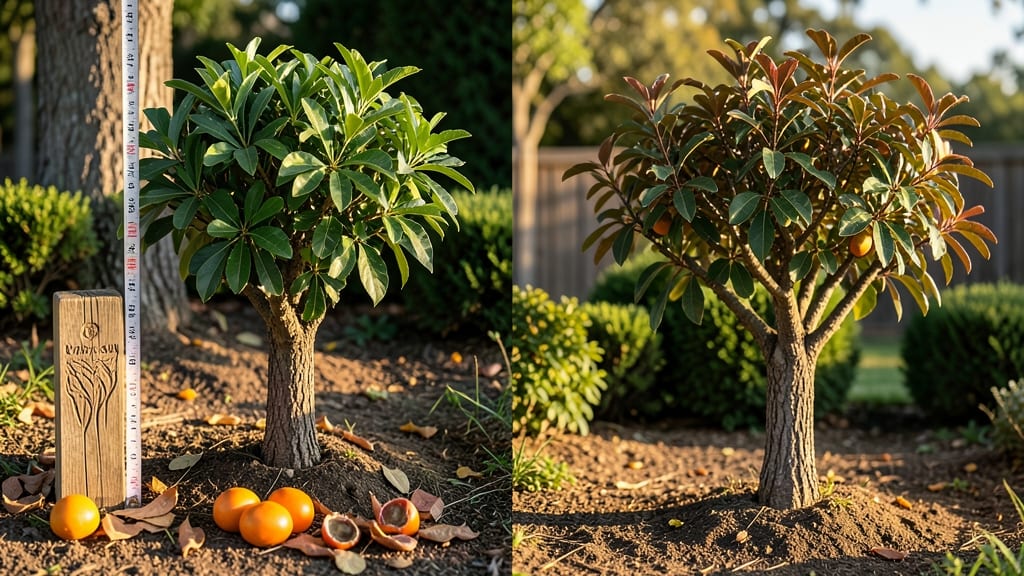
A persimmon tree can grow how tall does a persimmon tree grow to heights that range from 12 feet to towering 50 feet—depending on the variety and growing conditions.
If you’ve ever hesitated to plant one because of space concerns, you’re not alone. The right choice could mean a compact, fruit-bearing beauty in your backyard or a sprawling giant that needs a full yard.
For example, Asian persimmons like 'Fuyu' stay under 20 feet, while American persimmons can reach 30 feet or more.
Beyond variety, factors like soil quality, sunlight, and pruning play a huge role in how tall your tree becomes. A well-pruned dwarf variety can thrive in containers, while a standard tree left unchecked will dominate your landscape. Knowing these details upfront saves headaches—and possibly your fence.
In this guide, I’ll break down the height ranges for popular persimmons, share tips for controlling growth, and help you pick the perfect tree for your space—whether you’ve got a tiny balcony or a sprawling garden.


Persimmon tree height by variety: dwarf to giant comparison
Choosing a persimmon tree often comes down to one critical question: how tall does a persimmon tree grow? The answer varies dramatically—from compact varieties perfect for small yards to towering giants that need acres of space.
Understanding these differences helps you pick the right tree for your garden layout, sunlight conditions, and long-term maintenance goals.
Persimmons belong to two main groups: American persimmons (Diospyros virginiana) and Asian persimmons (Diospyros kaki), each with distinct growth habits. Asian varieties tend to grow faster and larger, while American types often stay smaller but produce hardier fruit.
Hybrid varieties blend these traits, offering middle-ground options for gardeners with limited space.
Here’s the key detail: mature height ranges from 12 feet for dwarf varieties to over 50 feet for giant types. A standard Asian persimmon can reach the height of a three-story building, while a properly pruned dwarf variety might only grow as tall as a garage door.
Let’s break down the most popular varieties and their space requirements.
| Variety | Type | Mature Height | Spread | Best For |
|---|---|---|---|---|
| Fuyu | Asian | 12-18 ft | 10-15 ft | Small yards, containers |
| Hachiya | Asian | 20-30 ft | 15-20 ft | Medium gardens |
| American Persimmon | Native | 40-50 ft | 30-40 ft | Large properties |
| Meader | Hybrid | 15-25 ft | 12-18 ft | Urban gardens |
| Eureka | Asian | 25-35 ft | 20-25 ft | Rural yards |
| Tennessee Selection | American | 30-40 ft | 25-30 ft | Woodland edges |
If you’re working with a small garden or patio, the Fuyu persimmon is my top recommendation. This Asian variety stays under 15 feet tall and produces sweet, non-astringent fruit perfect for eating fresh. Its compact size makes it ideal for containers or espalier training against fences.
For medium-sized yards, consider the Hachiya persimmon, which matures at 20-30 feet. It requires more space than Fuyu but still fits well in suburban backyards. The trade-off? You’ll need to wait longer—Hachiya trees take 5-7 years to bear fruit compared to Fuyu’s 3-4 years.
Native American persimmons like the Tennessee Selection are the giants of the group, often exceeding 40 feet tall. These trees thrive in wild or rural settings where their massive canopies can spread unchecked.
They’re drought-tolerant and low-maintenance, but their height makes them impractical for most home gardens unless you have acres of space.
Hybrid varieties like Meader offer a happy medium, reaching 15-25 feet
How to choose the right persimmon tree for your space
Selecting the perfect persimmon tree for your garden starts with understanding your space and climate. A 20-foot dwarf variety might thrive in a small urban yard, while a 50-foot standard tree needs a full acre.
My goal is to help you match the tree to your layout—whether that means fitting one into a container garden or planting one as a stunning focal point.
Start by measuring your available space, including overhead clearance for branches. Consider nearby structures, power lines, and other plants. A semi-dwarf persimmon (18-25 feet) works well in suburban backyards, while dwarf varieties (12-18 feet) are ideal for patios or balconies.
Always factor in the tree’s mature height, not just its current size.
Persimmon Tree Height Guide by Variety
- Dwarf Varieties (12-18 ft): Perfect for containers or small gardens. Examples include 'Meader' and 'Fuyu' (Asian persimmon). Ideal for patios or balconies with full sun exposure.
- Semi-Dwarf Varieties (18-25 ft): Great for suburban yards. Varieties like 'Hachiya' (Asian) or 'Celina' (American) balance fruit production with manageable size. Requires 10-15 feet of clearance.
- Standard Varieties (25-50 ft): Best for rural properties or large estates. Examples include 'American Persimmon' (native) or 'Izu' (Asian). Needs full yard space and regular pruning.
- Climate Zones: Dwarf varieties thrive in USDA Zones 7-10, while standard types tolerate Zones 5-9. Check your zone before choosing a variety to ensure success.
- Pruning Tips for Small Spaces: Prune young trees annually to control height. Remove suckers and water sprouts in early spring. Thin branches to improve airflow and fruit access.
Once you’ve picked a variety, consider your garden’s layout. Place taller trees near fences or property lines to avoid shading smaller plants. For container gardening, choose dwarf varieties and use large pots (at least 24 inches in diameter) with drainage holes.
Remember, even dwarf trees need space for roots—don’t crowd them with other plants.
Pruning young persimmon trees is key to managing their growth. I recommend open-center pruning for dwarf varieties to encourage a bushier shape. Remove any branches growing toward the center of the tree to improve light penetration and fruit production.
For standard varieties, focus on structural pruning to maintain a strong framework while keeping the canopy manageable.
Don’t forget about soil and sunlight. Persimmon trees need well-draining soil and 6-8 hours of sunlight daily. Amend heavy clay soil with compost to improve drainage. If your space is shady, opt for a semi-dwarf variety and supplement with grow lights if needed.
With the right variety and care, your persimmon tree will thrive—whether it’s a towering giant or a compact container star.
Finally, think about fruit production. Dwarf varieties may yield fewer fruits but are perfect for small harvests, while standard trees produce abundantly but need more space. If you’re new to growing persimmons, start with a semi-dwarf variety like 'Celina'—it’s forgiving and productive. Happy planting! 🌳