
How To
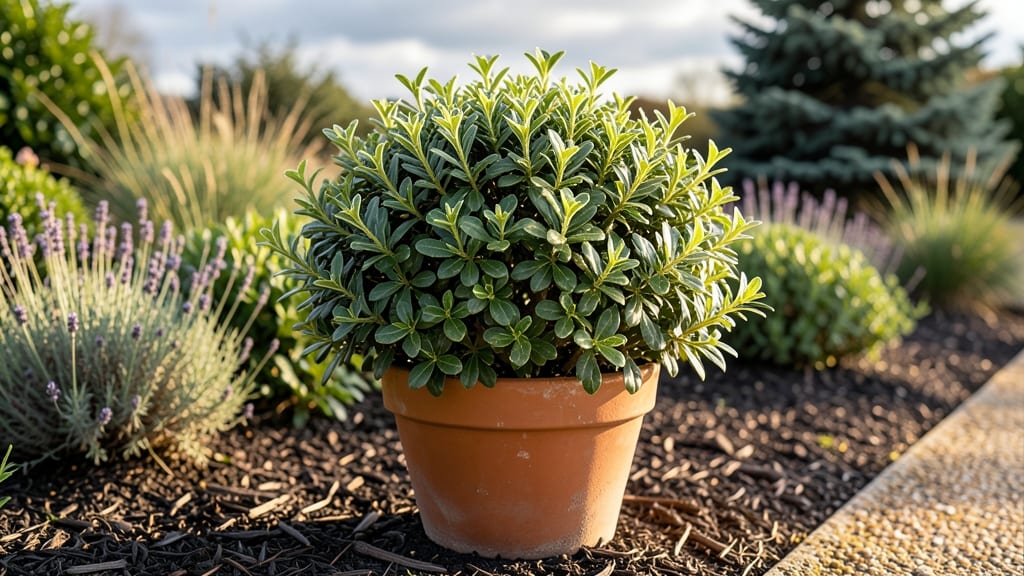
Wintergreen boxwoods grow to 2–4 feet tall at maturity, making them a versatile choice for hedges, borders, or foundation plantings in USDA Zone 6a.
If you're planning a hedge, border, or foundation planting with wintergreen boxwoods, knowing their mature height is crucial—plant them too close to walls or structures, and you’ll face pruning headaches for years. But how tall do these evergreen shrubs grow, and which varieties stay compact while others reach towering heights?
Most wintergreen boxwoods mature between 2 and 3 feet, but some varieties like 'Winter Gem' stay under 2 feet, while others like 'Wintergreen' can reach up to 4 feet.
Their slow growth rate—about 6 inches per year—means they won’t outgrow their space quickly, but spacing them 3–5 feet apart ensures they fill in beautifully without crowding.
Below, I’ll break down the exact height ranges by variety, how to choose the right one for your space, and the simple care tips to keep them thriving at their ideal size.


Wintergreen boxwood height ranges by mature variety: compact to towering
Wintergreen boxwoods (Buxus spp.) are prized for their glossy evergreen foliage and ability to thrive in shady spots, but their mature heights vary dramatically between varieties. From dwarf cultivars perfect for edging to towering shrubs ideal for privacy screens, choosing the right size is key to avoiding pruning nightmares.
Let’s break down the exact mature height ranges for popular wintergreen boxwood varieties—so you can plan your landscape with confidence.
Most wintergreen boxwoods reach maturity in 3–5 years, with growth rates averaging 6–12 inches per year. However, some compact varieties like 'Winter Gem' grow just 1–2 inches annually, while larger types like 'Wintergreen' can surge 12–18 inches per year in ideal conditions.
Understanding these differences helps you select the perfect variety for your space—whether you need a low hedge or a tall foundation plant.
Below, I’ve organized the most popular wintergreen boxwood cultivars by their mature height ranges, including dwarf, standard, and large varieties. This comparison table also includes spread measurements and growth rates to help you visualize spacing needs before planting.
For dwarf varieties like 'Winter Gem' or 'Wintergreen Compact', plan to space plants 18–24 inches apart to allow for their natural spread without overcrowding. These compact types are perfect for container gardening or low hedges along walkways, where their 1–2 foot height adds texture without overwhelming smaller spaces.
On the other hand, taller varieties like 'Wintergreen Glow' or 'Wintergreen' need 4–6 feet of clearance above windows or structures to avoid future pruning struggles. When planting these for privacy screens, space them 3–4 feet apart to encourage a dense, unbroken barrier.
Remember, boxwoods grow wider than they do tall, so always account for their spread in your design.
One common mistake I see is planting standard-height boxwoods too close to walls or fences. For example, a 'Wintergreen' shrub at 4 feet tall with a 5-foot spread will quickly outgrow its space if planted within 2 feet of a structure.
Always leave at least 3 feet of clearance for varieties in the 3–5 foot range to maintain airflow and prevent disease.
If you’re using wintergreen boxwoods for foundation plantings, opt for semi-dwarf varieties like 'Winter Beauty' (2–3 feet tall) to frame windows and doors without blocking light. These medium-height shrubs strike a balance between low maintenance and visual impact, making them ideal for formal landscapes where structure matters.
For container gardening, stick to dwarf varieties like 'Winter Gem' or 'Wintergreen Compact'. These stay under 2 feet tall, making them perfect for patio pots, window boxes, or balcony gardens.
Just ensure your container has drainage holes and use a well-draining potting mix to prevent root rot—a common issue with boxwoods in confined spaces.
Pro tip: If you’re unsure which variety to choose, start with 'Wintergreen' for versatility. It’s a standard-height option that works for hedges, borders, or specimen plantings, and its moderate growth rate (6–12 inches per year) gives you time to adjust pruning as it matures.
Pair it with dwarf varieties for layered interest in mixed borders.
🌿
How to choose the right Wintergreen boxwood for your space
Wintergreen boxwoods are versatile shrubs that thrive in USDA zones 5-8, making them perfect for foundation plantings and privacy screens. But not all varieties suit every space—some stay under 2 feet tall, while others reach 4 feet or more.
Choosing the right type depends on your landscape goals, sunlight exposure, and soil conditions.
For low hedges or border plantings, dwarf varieties like 'Winter Gem' (1-2 feet tall) are ideal. If you need a tall privacy screen, opt for 'Wintergreen' or 'Winter Beauty', which grow 3-4 feet tall. Container gardening? 'Dwarf Wintergreen' stays compact and fits 15-gallon pots beautifully.
Sunlight needs vary—most wintergreen boxwoods prefer partial shade (3-6 hours of sun daily), but some tolerate full sun if soil stays moist. Well-draining soil is critical; these shrubs hate soggy roots. Amend heavy clay with compost or sand to prevent root rot.
Here’s how to match your space to the perfect wintergreen boxwood variety:
- Low hedges (1-2 ft tall): 'Winter Gem' or 'Dwarf Wintergreen'—perfect for border edges or container gardens.
- Standard hedges (2-3 ft tall): 'Wintergreen'—ideal for foundation plantings or low privacy screens.
- Tall privacy screens (3-4 ft tall): 'Winter Beauty'—grows quickly for dense hedges or windbreaks.
- Container gardening: 'Dwarf Wintergreen'—stays 1-2 ft tall in 15-gallon pots with well-draining soil.
Pruning is key to maintaining desired height. Shear dwarf varieties lightly after flowering (spring) to encourage bushiness. For taller varieties, prune in early spring to shape and control growth. Avoid heavy pruning in late summer, as new growth won’t harden off before winter.
Wintergreen boxwoods are low-maintenance once established, but they reward careful placement. Mulch annually to retain moisture and suppress weeds, and fertilize in early spring with a balanced 10-10-10 formula. With the right variety and care, these evergreens will add year-round structure to your landscape.
🌿