
Plants
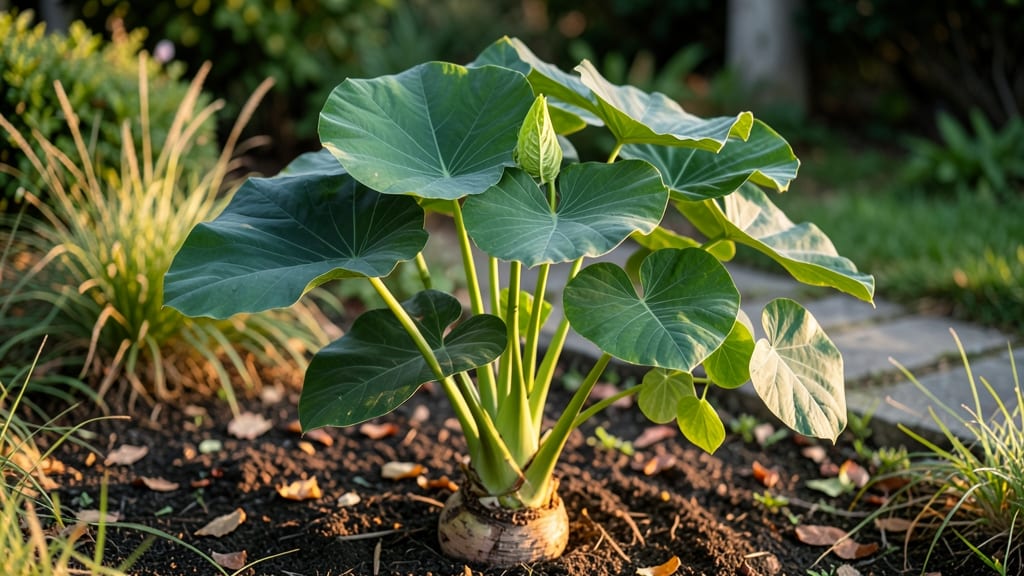
Elephant ear plants grow anywhere from 3 to 6 feet tall, depending on the variety and growing conditions—so you can easily tailor them to your space, whether that’s a cozy patio or a sprawling garden.
If you’re dreaming of dramatic tropical foliage but wondering whether these plants will dwarf your garden—or your patio—you’re in the right place. These showstopping plants range from waist-high to towering giants, but their height depends entirely on the variety and growing conditions.
For example, Colocasia 'Black Magic' typically reaches 3 to 4 feet, making it perfect for containers or small gardens, while larger varieties like Alocasia 'Polly' can stretch up to 6 feet or more.
The key to controlling their size lies in sunlight, soil, and pruning—so let’s break down how to get the height you want.
Below, I’ll share how to choose the right variety for your space, plus simple care tips to keep them at your desired size—whether you prefer a compact statement plant or a bold, towering focal point.


Elephant ear plant heights by variety: from compact to towering
Elephant ear plants—whether Alocasia, Colocasia, or Xanthosoma—offer a stunning range of heights, from tiny tabletop specimens to towering tropical giants. The variety you choose determines whether your plant will stay under 2 feet or soar past 6 feet.
Understanding these differences helps you plan spacing, containers, or garden beds to showcase their dramatic foliage without overcrowding.
Height isn’t just about aesthetics—it also affects growth rates, care needs, and even winter survival. Dwarf varieties thrive in containers or small gardens, while giant types demand space and may need staking or support.
Let’s break down the most popular varieties by their mature heights, growth habits, and ideal spacing to help you pick the perfect fit for your space.
| Variety | Mature Height | Growth Rate | Ideal Spacing | Notes |
|---|---|---|---|---|
| Colocasia 'Black Magic' | 3–4 ft | Moderate | 2–3 ft apart | Dark purple leaves; great for containers |
| Alocasia 'Polly' | 2–3 ft | Slow | 1–2 ft apart | Dwarf variety; perfect for desks or shelves |
| Xanthosoma 'Caribbean Moon' | 4–5 ft | Fast | 3–4 ft apart | Silver-green foliage; thrives in heat |
| Colocasia 'Illustris' | 5–6 ft | Fast | 4–5 ft apart | Classic giant; needs staking in windy areas |
| Alocasia 'Dragon Scale' | 3–4 ft | Moderate | 2–3 ft apart | Textured leaves; loves humidity |
| Colocasia 'Pink China' | 2.5–3.5 ft | Slow | 1.5–2 ft apart | Pink-tinged leaves; compact and bushy |
| Xanthosoma 'Splendid' | 6–8 ft | Very fast | 5–6 ft apart | Tallest variety; best for large gardens |
| Alocasia 'Zebrina' | 2–3 ft | Slow | 1–2 ft apart | Striped leaves; ideal for indoor growing |
| Colocasia 'Moonlight' | 4–5 ft | Moderate | 3–4 ft apart | Silver foliage; loves moisture |
| Xanthosoma 'Century' | 3–4 ft | Moderate | 2–3 ft apart | Heat-tolerant; great for tropical climates |
If you’re growing elephant ears outdoors, spacing is critical. Dwarf varieties like Alocasia 'Polly' or Colocasia 'Pink China' can thrive in containers or small garden beds with just 1–2 feet of space.
Meanwhile, giants like Xanthosoma 'Splendid' need room to spread—plant them 5–6 feet apart to avoid crowding and ensure airflow to prevent fungal issues.
For indoor growing, focus on dwarf or semi-dwarf varieties like Alocasia 'Zebrina' or Colocasia 'Black Magic'. These stay under 3 feet tall and adapt well to bright, indirect light near east-facing windows. Avoid placing them in drafty spots, as cold air can stunt growth and cause leaf drop.
Growth rates vary by variety and conditions. Fast growers like Xanthosoma 'Caribbean Moon' can add 1–2 feet in a single season, while slower varieties like Alocasia 'Dragon Scale' may take 2–3 years to reach maturity.
To encourage faster growth, provide rich, well-draining soil and consistent moisture—but avoid waterlogging, which can rot roots.
Light levels also impact height. Most elephant ear plants prefer partial shade (4–6 hours of morning sun), but varieties like Colocasia 'Illustris' can tolerate full sun if given extra water.
Too much direct afternoon sun, however, can scorch leaves and slow growth. If your plants start stretching toward light, they’re likely etiolating—a sign they need more shade.
Pruning can help manage height, especially for fast-growing giants. Cut back leggy stems in early spring to encourage bushier growth. For container-grown plants, trim back overgrown leaves to maintain compactness. Just avoid heavy pruning in late summer, as new growth won’t harden off before winter.
One final tip: Winter care affects next year’s height. In colder climates (USDA zones 7–9), most varieties die back to the ground but regrow from rhizomes. Tender varieties like Xanthosoma may need winter protection, while hardier Colocasia types can survive mild winters.
Mulch heavily in fall to insulate rhizomes and promote stronger regrowth in spring.
Now that you know the height ranges, pick the variety that fits your space—and watch your garden transform into a lush tropical oasis! 🌿
How to control elephant ear plant height: pruning and care tips
Elephant ear plants (Colocasia spp.) can grow from compact 2-foot wonders to towering 6-foot giants, but their height isn’t set in stone. With the right care, you can guide their growth to fit your space—whether that’s a cozy patio or a sprawling garden.
The key lies in pruning techniques, light management, and soil adjustments that slow down rapid growth while keeping your plant healthy and vibrant.
For indoor plants, height control is especially critical since they lack natural growth inhibitors like seasonal dormancy. Outdoors, seasonal pruning and light positioning can dramatically alter how tall your elephant ears become.
Let’s dive into the practical strategies that work, so you can enjoy their lush foliage without sacrificing your garden’s layout.
🌱 5 Key Tips to Control Elephant Ear Height
- 1. Prune in early spring – Cut back 1/3 of the plant to encourage bushier, shorter growth. Use clean, sharp pruning shears to avoid damage.
- 2. Limit sunlight – 6+ hours of sun fuels rapid growth. Move plants to partial shade (4-6 hours) to slow vertical expansion.
- 3. Use slow-release fertilizer – Over-fertilizing with high-nitrogen feeds spikes growth. Opt for balanced 10-10-10 and apply sparingly.
- 4. Container confinement – Root-bound plants grow slower. Choose smaller pots (1-2 sizes below mature needs) for dwarf varieties.
- 5. Winter dormancy – Let outdoor plants rest in winter (reduce watering, stop fertilizing) to reset growth cycles naturally.
Pruning is your best tool for compact growth. I recommend trimming back yellowed or leggy stems throughout the growing season to redirect energy into leaf production rather than height.
For indoor plants, pinch back the top growth in late winter to encourage a bushier shape before the active growing season begins.
Light plays a huge role in height control. While elephant ears thrive in bright, indirect light, too much direct sun—especially afternoon rays—can cause them to stretch toward the light.
If your plant is bolting upward, move it to a north- or east-facing window or use a sheer curtain to diffuse harsh light. For outdoor plants, dappled shade (like under trees) keeps them shorter and stockier.
Soil and fertilizer choices can also slow down rapid growth. Heavy, organic-rich soil encourages vigorous growth, while sandy or loamy mixes with added perlite promote slower, more controlled expansion.
When fertilizing, half the recommended dose and choose a low-nitrogen formula (like 5-5-5) to prevent excessive leafy growth at the expense of height. Indoor plants benefit from a monthly diluted feed during spring and summer only.
Seasonal care differs for indoor vs. outdoor plants. Outdoors, mulch heavily around the base in late summer to insulate roots and encourage dormancy, which naturally resets growth for the next season.
Indoors, keep your plant in a cool (60-65°F) spot during winter to mimic dormancy, then resume care in spring with fresh soil and a light pruning to shape it for the year ahead.