
Size
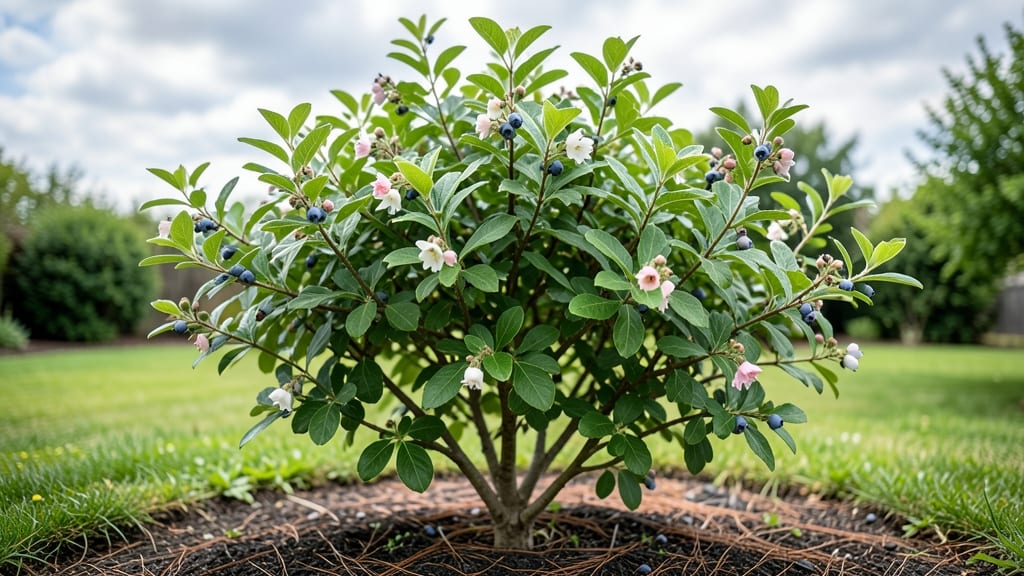
How tall do blueberries grow? The heights range between 3 and 12 feet, depending on the variety, making them a versatile shrub for any garden size.
Picture this: a 6-foot blueberry bush 🫐 towering over your patio, or a compact 2-foot dwarf variety thriving in a container on your balcony. The difference isn’t just aesthetics—it’s about yield, space, and how you plan your garden layout.
Dwarf varieties stay under 4 feet, perfect for small spaces or containers, while standard types reach 6 to 12 feet, needing room to spread and support. Trailing varieties add another dimension, cascading over trellises or fences for a unique look.
In this guide, I’ll break down the height ranges by variety, how spacing affects fruit production, and pruning tips to keep your bushes healthy—whether you’re working with a tiny urban plot or a sprawling backyard.


Blueberry bush height by variety: dwarf to standard types explained
Blueberries are one of the most versatile shrubs for home gardens, but their mature height can vary dramatically depending on the variety. From dwarf types that fit in containers to tall northern highbush varieties reaching 12 feet, understanding these differences helps you plan your garden layout and maximize space.
The right variety can even transform a small balcony into a productive blueberry patch!
Most blueberries fall into three main categories: lowbush (wild types), rabbiteye (southern varieties), and northern highbush (most common for home gardens). Each category has distinct height ranges that impact yield, pollination, and maintenance needs.
For example, a 6-foot bush might produce more berries than a 3-foot dwarf, but it requires more pruning and space.
Here’s the key: Dwarf varieties (under 3 feet) thrive in containers, while standard types (6+ feet) need room to spread. Even within these categories, some varieties grow 20% taller under ideal conditions. Let’s break down the exact dimensions you need to plan your blueberry garden successfully.
| Variety Type | Mature Height Range | Spread Width | Best For | Notes |
|---|---|---|---|---|
| Dwarf Northern Highbush | 2–3 ft | 2–3 ft | Containers, small gardens | Fast fruiting, ideal for urban areas |
| Semi-Dwarf Northern Highbush | 3–5 ft | 3–4 ft | Balconies, raised beds | Great for pollinators, moderate yield |
| Standard Northern Highbush | 6–12 ft | 5–8 ft | Large gardens, rural areas | Highest yield, needs pruning |
| Lowbush (Wild) | 1–2 ft | 2–3 ft | Wild harvesting, ground cover | Low maintenance, small berries |
| Rabbiteye (Southern) | 8–12 ft | 6–10 ft | Warm climates, large spaces | Heat-tolerant, large berries |
| Trailing Varieties (e.g., 'Top Hat') | 2–4 ft (bush), 6+ ft (trailing) | 4–6 ft spread | Trellises, vertical gardens | Needs support, decorative |
🌱 Pro Tip: Always check the specific variety’s tag—some "dwarf" types can grow unexpectedly tall if over-fertilized!
If you’re growing blueberries in containers, stick to dwarf or semi-dwarf varieties like 'Top Hat' or 'Patriot.' These stay under 3 feet and produce well in 15-gallon pots with proper acidic soil.
For ground planting, standard varieties like 'Bluecrop' or 'Jersey' reach 6–10 feet and need 5–8 feet of space between bushes for airflow and sunlight.
One common mistake is assuming all blueberries grow the same height. For example, rabbiteye varieties (like 'Climax') can tower over northern highbush types, making them better suited for southern climates where they thrive in heat. Meanwhile, lowbush types (like 'Lowbush Wild') stay compact but require colder winters to produce well.
Height also affects harvesting ease. Taller bushes may need a sturdy ladder or pruning saw to reach ripe berries, while dwarf varieties let you pick from waist height.
I’ve found that semi-dwarf bushes (3–5 feet) strike the best balance—easy to harvest, productive, and fit in most backyards without overwhelming the space.
For small gardens, consider trailing varieties like 'Sunshine Blue' that grow 2–3 feet tall but spread 4–6 feet wide when trained on a trellis. This saves vertical space while still yielding 2–3 pounds of berries per plant annually.
Just ensure your trellis is sturdy enough to support the weight of ripe fruit!
Another factor to consider is pruning impact. Taller bushes need annual pruning to remove dead wood and encourage fruit production, while dwarf varieties may only need light trimming every 2
How blueberry height affects yield and garden planning
Blueberry height isn't just about aesthetics—it directly impacts your fruit yield, pollination efficiency, and even how much space you need in your garden.
Taller varieties like northern highbush (6-12 feet) produce more berries but require sturdy support and wider spacing, while dwarf types (2-4 feet) thrive in containers but may yield less. Understanding these differences helps you plan for both productivity and garden layout.
The height of blueberries also affects how they handle wind and sun exposure. Shorter bushes stay compact, making them ideal for urban gardens or small backyards, while taller varieties need open space to prevent branch breakage.
Even pruning strategies change based on height—dwarf bushes need light trimming, while standard types require structural pruning to manage their weight.
- Dwarf varieties (2-4 ft) yield 2-3 lbs/plant but thrive in containers or tight spaces. Ideal for balconies or small patios.
- Semi-dwarf (4-6 ft) produce 3-5 lbs/plant and need 3-4 ft spacing for airflow and sunlight.
- Standard (6-12 ft) yield 5-10 lbs/plant but require 6-8 ft spacing and trellis support in windy areas.
- Trailing types (3-5 ft spread) need vertical support (trellises, cages) to maximize fruit exposure to pollinators.
- Pruning taller bushes in late winter prevents overcrowding and improves air circulation, reducing disease risk.
- Container-grown blueberries (dwarf types) need larger pots (15+ gallons) to prevent root binding and stunted growth.
- Pollination success drops in tall, dense bushes—space plants 10-15 ft apart for bee access to flowers.
Taller blueberry bushes also face structural challenges. Without proper support systems, branches can sag under fruit weight, leading to poor harvestability. I recommend installing sturdy stakes or cages for varieties over 5 feet tall, especially in wind-prone areas.
Even dwarf bushes benefit from light staking if grown in heavy clay soil, where roots struggle to anchor.
Your garden climate plays a huge role in how height affects growth. In cooler regions (Zones 3-5), taller bushes like Jersey or Bluecrop thrive, while southern climates (Zones 7-9) favor shorter, heat-tolerant varieties like Climax or Premier.
If you're in a hot, dry area, taller bushes may need extra watering to support their larger canopy, increasing your watering workload.
For maximum yield, match your blueberry height to your garden goals. If you're growing for fresh eating, dwarf bushes in containers work well for small families. For commercial-scale production, standard varieties planted in wide rows with drip irrigation deliver the highest output.
Always prune in early spring to shape the bush and remove dead wood, ensuring optimal sunlight reaches all fruit-bearing branches.
Remember: height isn’t everything. A well-pruned 4-foot dwarf bush can outproduce a neglected 8-foot standard. Focus on healthy growth, proper spacing, and consistent care—whether your blueberries are thumb-sized or tree-like. 🌱🫐✂️