
Size
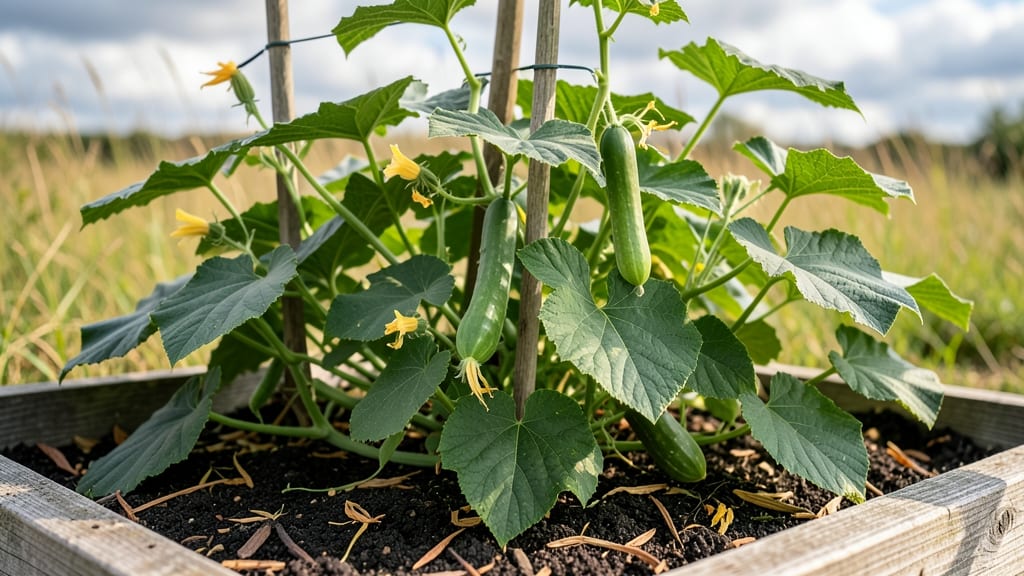
How tall cucumber plants grow depends entirely on the variety you choose and how you train them, ranging from just 1 foot to towering 10 feet.
If you’ve ever watched a single vine spiral up a trellis like a jungle vine—only to realize it’s your cucumber—you know how quickly they can take over a garden. But with the right approach, you can turn that sprawl into a space-saving advantage or a lush, productive corner.
Bush varieties stay compact at 1–3 feet, perfect for small gardens or containers, while traditional vining types reach 6–10 feet when given support. The difference isn’t just about height—it’s about yield, airflow, and how you manage your space.
In this guide, I’ll break down how to pick the right cucumber for your garden, the best support systems to use, and how to keep even the most aggressive vines in check—without losing a single fruit.


Cucumber vine lengths by variety: from compact bushes to towering vines
Choosing the right cucumber variety starts with understanding how tall your plants will grow. Some varieties stay compact like bush beans, while others sprawl like ivy on a fence. The difference impacts your garden layout, support needs, and even your harvest size.
For example, a 10-foot vine needs completely different planning than a 2-foot bush—one might fit in a container, while the other requires a trellis or fence.
Cucumber plants generally fall into three growth categories: bush types (compact), semi-vining (moderate), and full vining (aggressive). Bush varieties are perfect for small spaces or containers, while vining types thrive when given vertical support.
The key is matching your garden’s space and your goals—whether you want quick, easy access to cucumbers or are willing to invest in trellising for higher yields.
Here’s how vine lengths vary by type, along with spacing and yield insights to help you plan:
If you’re working with limited space, bush varieties like 'Bush Champion' or 'Spacemaster' are ideal—they stay under 3 feet tall and don’t require trellising. These are great for container gardening or tight garden beds. Just be prepared for slightly lower yields compared to their vining counterparts.
For example, 'Bush Champion' produces about 5–10 cucumbers per plant, while a vining type like 'Straight Eight' can yield 20–30 cucumbers when properly supported.
For moderate spaces, semi-vining varieties strike a balance. Types like 'Marketmore 76' or 'Sweet Success' grow 3–6 feet tall and benefit from lightweight trellises or stakes. These varieties are versatile—they can sprawl slightly if unsupported but thrive vertically, saving garden real estate.
I’ve used 'Sweet Success' in my raised beds with a simple 3-foot trellis, and it’s produced enough cucumbers to share with neighbors all season.
Now, if you’re dealing with a large garden or have a fence to utilize, full vining varieties are worth the extra space. Varieties like 'Straight Eight', 'Lemon Cucumber', or 'Armenian Cucumber' can reach 10 feet or more if left unchecked.
These are the high-yield champions, but they demand proper support—think strong trellises, cages, or even a chain-link fence. Without support, their sprawling habit can lead to poor air circulation, increasing the risk of powdery mildew or other diseases.
One variety that often surprises gardeners is the Armenian cucumber, which can grow 20+ feet in a single season if given the right conditions. These are the sprawling giants of the cucumber world and are perfect for gardeners with ample space or a tall trellis system.
They’re also self-pollinating, meaning they produce fruit without needing bees—ideal for greenhouses or indoor growing setups.
When planning your garden, consider not just the height but also the growth habit. Some vining varieties, like 'Sweet Success', produce cucumbers along the stem, while others, like 'Straight Eight', focus fruit production at the nodes.
This affects how you’ll need to train and prune your plants. For example, if you’re growing 'Straight Eight', you’ll want to encourage vertical growth to keep the fruit accessible and reduce disease risk from ground contact.
Finally, don’t overlook container growing for bush varieties. A 5-gallon pot is plenty for a bush cucumber like 'Diva' or 'Bush Crystal'. Just ensure the container has drainage holes and you’re using a lightweight potting mix.
In my own container garden, I’ve had great success with 'Diva' in a 12-inch pot on my balcony—it produced enough cucumbers for salads all summer without taking up garden space.
Understanding vine lengths helps you avoid common mistakes, like
Support systems for tall cucumber plants: trellises, cages, and training tips
Tall cucumber plants can reach 6 to 10 feet if left unsupported, sprawling across your garden bed and competing for space. Without proper support, vines become tangled, fruits touch the soil (risking rot), and air circulation suffers, inviting pests and diseases.
The right support system transforms chaotic vines into organized, high-yielding plants while saving space and boosting fruit quality.
I’ve found that vertical growing isn’t just about aesthetics—it’s a game-changer for productivity. When cucumbers climb, they produce longer, straighter fruits with fewer blemishes, and you’ll harvest 20-30% more than with sprawling vines. Plus, trellises keep fruits clean and off the ground, reducing rot and pest damage.
Whether you’re working with 6-foot vining varieties like 'Straight Eight' or towering 'Armenian cucumbers' that can hit 15 feet, support is non-negotiable.
How Tall Cucumber Plants Grow Without vs. With Support
- Unsupported vines: Spread 10-12 feet wide, grow 3-6 feet tall, produce smaller, misshapen fruits, and struggle with disease risks from soil contact.
- Trellised vines: Reach 6-10 feet vertically, stay 2-3 feet wide, yield longer, straighter cucumbers, and improve airflow and sunlight exposure.
- Caged vines: Grow 4-6 feet tall, spread 3-4 feet wide, ideal for bush varieties, and reduce sprawl without full vertical support.
- Staked vines: Climb 5-8 feet tall with minimal width, best for small gardens, and require regular tying to stakes.
*Height varies by variety and growing conditions. Always check seed packets for specific recommendations.
For DIY trellises, I recommend using bamboo stakes or poultry wire bent into a teepee shape—it’s sturdy, affordable, and easy to assemble. Drive stakes 12-18 inches deep into the soil and weave wire between them to create a lattice.
For larger gardens, A-frame trellises made from wooden posts and netting work wonders, especially for varieties like 'Marketmore' that produce heavy yields. If you’re short on time, pre-made trellis kits (like those from Gardener’s Supply) are worth the investment—they’re durable and save you hours of setup.
Training vines is simpler than it sounds. Start by tying the main stem to the trellis with soft plant ties or old fabric strips when it reaches 12 inches tall. As side shoots emerge, let 2-3 strong vines grow upward while pinching off weaker ones.
This pruning technique directs energy into fewer, healthier vines and prevents overcrowding. Pro tip: Avoid plastic ties—they can girdle stems as plants grow. Instead, use jute twine or velcro plant ties, which stretch with the vine.
If trellises feel like overkill, cucumber cages are a fantastic alternative. These wire or plastic structures (like the Espoma Cucumber Cage) provide support without requiring tying. They’re perfect for bush varieties or small spaces, though they won’t handle heavy vining types like 'Lemon Cucumber.'
For container gardening, I swear by tomato cages repurposed for cucumbers—they’re tall enough to support vines and fit neatly on patios or balconies.
Remember, the key to success is consistency. Check your supports weekly to ensure vines aren’t slipping or becoming tangled. If you notice fruits touching the ground, gently lift them onto the trellis or cage to prevent rot.
With the right support, your cucumbers will thrive, and you’ll enjoy a cleaner, more productive harvest all season long. 🌱