
How To
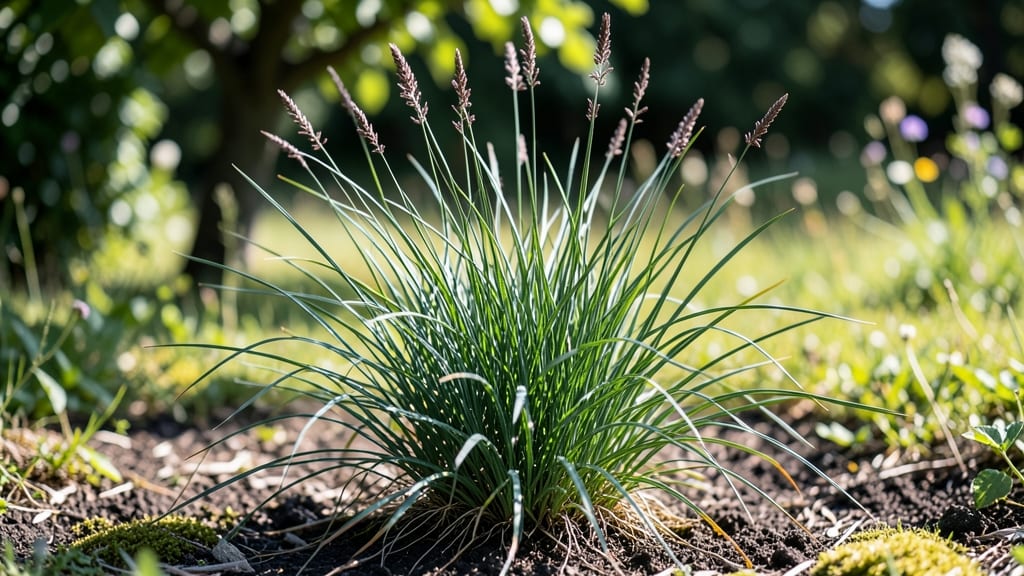
How long does tall fescue take to grow? It establishes into a lush lawn in about 3 to 6 months, depending on whether you start with seed or sod—though the wait feels longer when you’re watching bare soil every day.
Picture this: you’ve planted your 🌱 Tall Fescue in early spring, and for weeks, nothing changes. Then, one morning, you notice tiny green blades pushing through the dirt. That’s the moment you realize patience is part of the process—and the payoff is worth it.
Seed-based lawns take longer to establish, with germination happening in 7 to 21 days, but full coverage can take up to 6 months. Sod, on the other hand, shows results faster—just 2 to 4 weeks—but requires careful watering to root deeply.
The key? Soil prep, watering consistency, and avoiding common mistakes that stall growth.
In this guide, I’ll break down the exact timeline by planting method, the factors that speed up or slow down your lawn’s transformation, and the 3 biggest mistakes that keep Tall Fescue from reaching its full potential. Let’s get your lawn growing faster.


Tall fescue growth timeline by planting method: from seed vs. sod
If you're planting tall fescue to transform your lawn, the timeline can vary dramatically depending on whether you start with seeds or sod. Seeds take patience—expect 7-21 days just to sprout—but they offer long-term savings.
Sod, on the other hand, delivers instant instant green coverage in 2-4 weeks, though it costs more upfront. Both methods require careful timing, especially in USDA Zone 6a, where early spring or fall planting works best.
Your climate plays a huge role. In cooler regions, germination slows down, stretching seed growth to 3-4 weeks for sprouts. Meanwhile, sod roots take 4-6 weeks to fully establish in cooler weather.
Heat and drought can double these timelines, so understanding your local conditions is key to setting realistic expectations for your tall fescue lawn.
Let’s break down the month-by-month milestones for both methods, so you know exactly when to expect sprouting, rooting, and full coverage. This comparison will help you plan your lawn care schedule—whether you’re eager for quick results or willing to invest time in seeds.
📌 Pro Tip: For seeds, aim to plant 6-12 months before you need full coverage. Sod, however, can be installed just 2-4 weeks before a big event—like a summer party—if you’re prepared for some initial maintenance.
Now that you’ve seen the timelines, let’s dive deeper into what happens week by week after planting. If you chose seeds, the first 7-21 days are critical.
You’ll notice tiny green sprouts pushing through the soil, but they’re fragile. Avoid walking on them or disturbing the area—even light foot traffic can stunt their growth.
By 4-8 weeks, your tall fescue seeds should have established a root system about 3-4 inches deep. This is when you can start light mowing—but never cut more than one-third of the grass blade at a time.
Over-mowing stresses young plants and slows their growth. If you’re in a hot climate, increase watering to deep soaks every 3-5 days to prevent drought stress.
For sod, the first 2-4 weeks focus on rooting. The edges of the sod pieces will start to knit together, and you’ll see new green shoots emerge.
During this phase, water lightly but frequently—about 1 inch per week—to encourage roots to spread horizontally. Avoid heavy watering, which can wash away soil and expose roots.
By 6-12 weeks, your tall fescue lawn—whether from seeds or sod—should look noticeably thicker. This is when you can adjust your mowing height to 3-4 inches to promote deeper roots and shade out weeds.
If you planted seeds, you might still see bare patches, but these will fill in over the next 2-3 months with proper care.
Full maturity takes time. For seeds, expect
5 Key factors that speed up or slow down tall fescue growth
If you're eager to see your tall fescue lawn transform from bare soil to a lush green carpet, understanding the growth factors is critical. While some aspects like planting method set the baseline, these five variables can either accelerate or stall your progress.
Let’s break down how each factor influences your grass growth timeline and what you can do to optimize results.
From soil quality to mowing height, each element plays a unique role in determining how quickly your tall fescue establishes and thrives. For example, poor soil drainage can delay germination by weeks, while proper sunlight exposure can cut growth time nearly in half.
Knowing which levers to pull—and when—will help you achieve that vibrant lawn faster than your neighbors.
Tall fescue thrives in full sun (6+ hours/day). Insufficient light slows growth by 30-50%. Ensure no shade from trees or structures.
Deep watering 2-3x/week speeds up root development. Shallow watering stunts growth by 20-30%. Water early morning to prevent fungal risks.
Ideal pH 6.0-7.0 and well-draining soil. Compacted or acidic soil can delay germination by 10-14 days. Amend with compost before planting.
Optimal growth occurs at 60-75°F. Planting in early spring/fall avoids heat stress. Summer droughts can halt growth entirely.
Never mow below 3 inches. Taller grass shades soil, reducing weeds and retaining moisture. Cutting too short stresses roots and slows regrowth.
Let’s start with the most influential factor: sunlight exposure. Tall fescue is a sun-loving grass, and even partial shade can stretch out your growth timeline.
If your lawn gets less than 6 hours of direct sun daily, consider supplementing with a sun-tolerant companion plant or relocating seedlings to a sunnier spot. I’ve seen full-sun plots establish in half the time of shaded areas.
Next, watering habits make or break your progress. Deep, infrequent watering encourages deep root growth, while light, frequent watering keeps roots shallow and weak. Aim for 1-1.5 inches of water per week, delivered in the morning to minimize evaporation and fungal risks.
Overwatering is just as harmful as underwatering—your tall fescue needs consistent moisture, not soggy conditions.
Don’t overlook soil preparation. Before planting, test your soil’s pH and amend it if needed. Tall fescue prefers a slightly acidic to neutral soil (pH 6.0-7.0). If your soil is compacted or clay-heavy, aerate it 4-6 weeks before seeding to improve root penetration.
I’ve seen poorly prepped soil delay germination by up to 2 weeks—time you don’t want to waste.
Temperature plays a sneaky role in growth speed. While tall fescue is cold-hardy, it grows best in moderate temperatures (60-75°F). Planting in late summer heat or early spring chill can slow germination.
If you’re in a hot climate, opt for early fall planting to avoid heat stress. In cooler regions, spring planting gives your grass a head start before summer droughts set in.
Finally, mowing height isn’t just about aesthetics—it directly impacts growth. Mowing too short (below 3 inches) stresses your grass and exposes roots to heat and drought.
Keep your mower blade set to 3-4 inches during the establishment phase, and never remove more than ⅓ of the blade height at once. Proper mowing encourages dense root systems, which means faster recovery and thicker lawns.